
Uzbekistan shortlists 11 bidders in 200 MW PV tender
The 200 MW solar park will be built in Sherabad, in southeastern Uzbekistan’s Surkhandarya region.
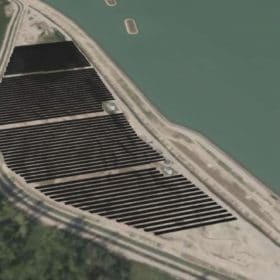
Slovenia’s first utility scale solar plant
A 6 MW solar park is being developed by Slovenian power provider HESS. The facility will be linked to a hydropower plant and will also rely on pumped hydro storage.

Ukraine moots 895 MW of new solar to 2025
If a call by the Ministry of Energy to procure 155 MW of solar next year is adopted, a first, 50 MW auction would be held in June.
The unstoppable trajectory of photovoltaic water pumps
Scientists in Russia have analyzed the most important technological advances achieved for solar water pumps over the past decades and have indicated the roadmap that future research should follow to expand their use and application.

Albania launches tender for 100 MW solar park
The country’s third large-scale solar plant will be built near Durrës, a port city on the Adriatic Sea in western Albania.

Long-term assessment of PV panel degradation under hot, humid tropical climates
A Dutch-Hungarian research team has measured, for 12 years, the degradation rates of PV modules installed in an off-grid system located in Ghana. It found that the panels had an average annual decline in power yield of 3.19%.

First green bond issued on Kazakh exchange
The Asian Development Bank has added Kazakhstan to the list of nations where it is issuing bonds denominated in local currencies as an alternative for investors to having to use international lenders.
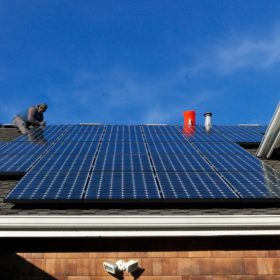
How to minimize grid purchases in storage-integrated PV systems
Scientists in Poland have developed a machine-learning method to help solar+storage system owners manage battery charging and discharging, so they can avoid buying power from the grid.

World could add more than 900 GW of solar by 2025 if politicians grasp the nettle – IEA
With the International Energy Agency publishing its latest five-year clean energy forecast today, pv magazine takes a look at the solar content of the 162-page document.
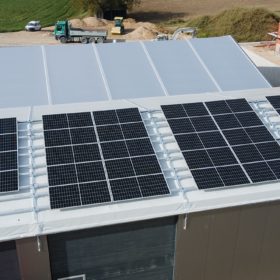
Photovoltaic tent hall for temporary solar power supply
Polish companies Pol-Plan and Solarspot have developed a solution to equip tent halls with photovoltaic systems. The modules are mounted on a special construction above the roof, made of PVC.
