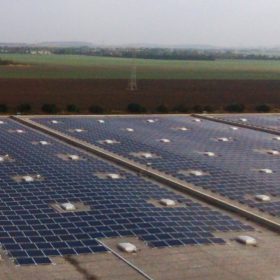
GCL to supply modules to IBC Solar
German based PV systems provider IBC Solar has announced a partnership deal with solar manufacturing giant GCL System Integration Technology. The first modules supplied by GCL are expected to be delivered in September.

Spanish government provides auction’s official numbers: allocated solar capacity reaches 3.9 GW
Around 3,909 MW of solar was assigned in yesterday’s auction. This is 400 MW more than what Spanish solar association UNEF had estimated in its provisional forecast.
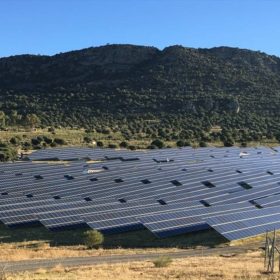
Spain’s auction allocates 3.5 GW of PV capacity
Solar had the largest share in Spain’s renewable energy auction, leaving wind power, which won all the allocated capacity in the previous auction, with just 720 MW.
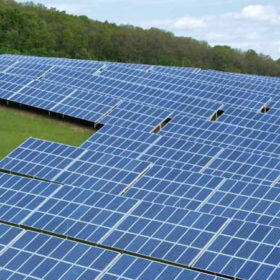
UK’s Lightsource and BlackRock team on £1bn solar strategy
British renewable energy developer Lightsource has entered into a £1 billion partnership with asset manager BlackRock Real Assets to create Kingfisher, which will target 1 GW of solar capacity in the U.K. Partnership will also eye storage opportunities.

SolarWorld: short-term solution from investor seems possible
The provisional insolvency administrator of the German module manufacturer is now in talks with a potential investor for the acquisition of the company’s German manufacturing facilities in Freiberg and Arnstadt. Around 1,200 employees will be transferred to a transitional company.
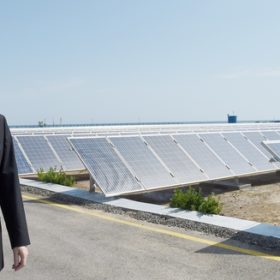
Azerbaijan commissions 1.1 MW solar plant in Pirallahi island
The project is the first phase of the 2.8 MW Pirallahi PV power plant and part of the Government’s 2014-2020 energy strategy which aims to deploy over 600 MW of solar by 2020.
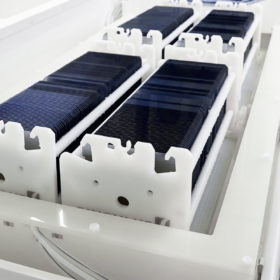
VDMA: solar equipment orders increase 328% in Q1
A report published by German engineering federation VDMA reveals strong demand for solar production equipment, with order intake in the first quarter of 2017 tripling over the previous quarter. The book to bill ratio of orders to delivered systems hit the ‘very high’ level of 4.4 for the first quarter of 2017
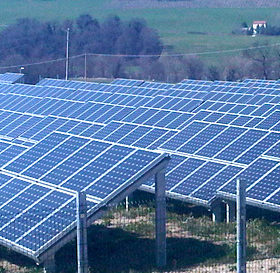
Ellomay’s 300 MW solar project in Spain secures final approval
The Talasol Solar PV power plant will be located in Talaván, Cáceres, in the southern region of Extremadura. Israeli solar company Ellomay acquired the project in May.
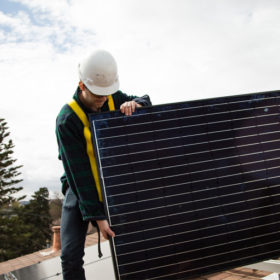
UK: Nearly 126,000 employed in thriving renewables industry, report shows
In the first year energy storage and electric vehicle sectors are included, REA’s annual publication reveals a 2.5% YoY increase in the number of jobs in the renewable energy industry, but also a significant decline in growth from two years previous when it was at nearly 9%. The Association points to negative policy changes as the reason behind the downward trend.
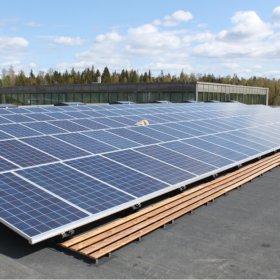
Community solar may push Finnish PV market forward
In 2016, the North European country saw the addition of 19 MW of new PV systems. As the Finnish economy seems now to be reviving after several years of stagnation, solar (and especially community solar) may become even more interesting for homeowners and businesses.
