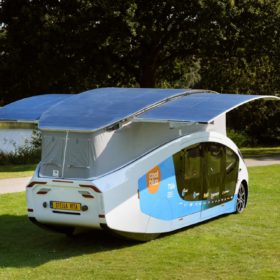
PV-powered mobile home with 730km range
Solar Team Eindhoven has developed an experimental mobile house that is powered exclusively by vehicle-integrated PV and is claimed to achieve a range of 730km, on a sunny day and at a, moderate speed of up to 85kph. The vehicle is equipped with a foldable PV system that can be unfolded and produce more power when the vehicle is not in motion.
EU raises another €9bn for Covid recovery
The latest, seven-year investment attracted offers worth more than €100 billion from investors and means the European Union has already generated €54 billion of the €80 billion of bond proceeds it is aiming for this year, as part of its five-year, €800 billion NextGenerationEU support package.
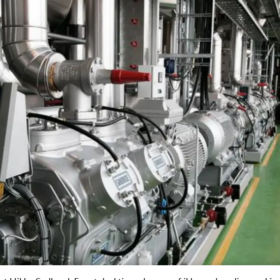
New incentive round for electric heat pumps in Denmark
The scheme is open to companies specializing in district heating and offers rebates covering up to 15% of the total investment made to buy and install the heat pump, with developers being eligible for a maximum of DKK5 million for each project.
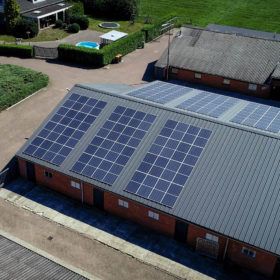
Dutch construction company invests in 300 MW solar module factory
The factory is under development in Eindhoven by Dutch start-up Solarge, and is scheduled to begin manufacturing activities in March.

Agrivoltaics to protect crops from heavy rainfall
BayWa r.e. and the Fraunhofer Institute for Solar Energy Systems ISE have built a 258 kW agrivoltaic system that hosts apple cultivation under four different crop protection systems. The system utilizes agrivoltaic technology with permanent, light-permeable PV modules that block rain, and tracking PV module tech that blocks rain only if necessary.
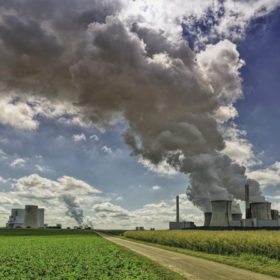
China holds the key to cancelling half the world’s new coal project plans
With pressure mounting on the world’s governments to turn their back on the fossil fuel, China and peers in South East Asia, Europe and South Asia could help deliver a coal-free future at the COP26 climate summit planned in Glasgow in November.
Freedom to operate your energy storage at will
In this pv magazine Webinar, we will learn how battery analytics can eliminate a significant portion of project risk, making the project easier to insure and simplifying economics. The presentations will demonstrate how both BESS integrators and owners can benefit from this joint approach between Munich RE and TWAICE.
Stake in Greece’s distribution grid sells for €2.1bn
The state-owned electric utility has agreed to sell 49% of its shares in the grid. The sale is expected to boost the country’s transition to a greener and smarter energy system.
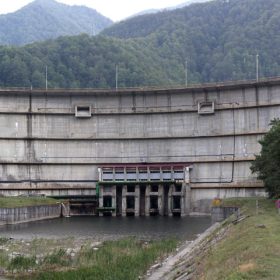
Romanian hydropower producer enters PV business with 45 MW ground-mounted project
The project will be built in Brăila county, southern Romania, at a cost of approximately $42.6 million. Hidroelectrica also wants to build several floating solar plants, totaling 5 MW, at some of its hydropower facilities.
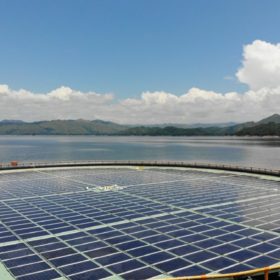
The world’s first large scale hybrid hydro-floating solar power plant
A Norwegian consortium led by Scatec is planning to build a hybrid hydropower-floating PV plant at an unspecified location in West Africa. Building both facilities simultaneously will help its developers define a series of parameters for proper sizing, optimization and design, and set a benchmark for future projects of this kind.
