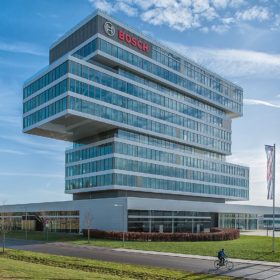
Bosch invests €500 million to develop hydrogen electrolyzers
Germany’s Bosch wants to focus on green hydrogen production in Europe as a new dedicated business area. It said it will draw on its fuel cell expertise to build new productions facilities.
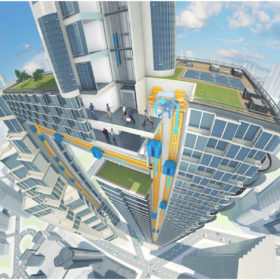
Storing renewables with high-rise elevators
Lift Energy Storage Technology is a proposed long-term storage solution that relies on elevators to bring solid masses to the tops of buildings in charging mode. It then lowers the same mass to produce electricity in discharge mode.
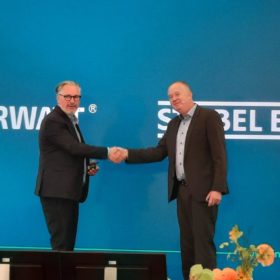
Solarwatt enters heat pump business with new energy management system
Solarwatt and Stiebel Eltron have agreed to cooperate on the development of heat pumps.
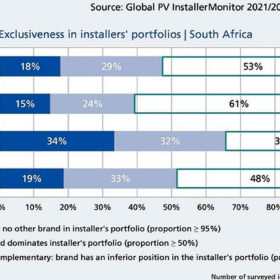
Module brands that earn the trust of solar installers
The latest global PV installer survey by Germany’s EUPD Research offers a hint of the solar brands which installers, mostly based in Europe, gravitate toward. This year’s report also ventured to South Africa and considered mounting systems for the first time.
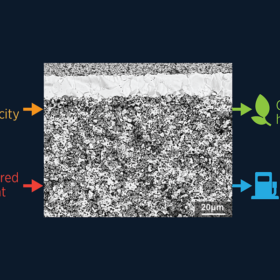
The Hydrogen Stream: Acid-treated cells produce about 200% more hydrogen
US scientists have improved the performance of intermediate-temperature electrolyzers based on protonic ceramic electrochemical cells. Germany and India have signed a hydrogen cooperation deal, while ArcelorMittal has tested the use of green hydrogen in the production of direct reduced iron at a steel plant in Canada.
Germany deployed 916 MW of solar in March
Germany’s cumulative installed PV capacity for all subsidized and unsubsidized PV systems stood at around 58.2 GW by the end of March.
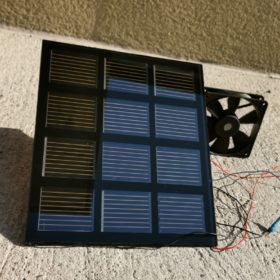
Titanium oxide nanoparticle-based perovskite PV cell with 24.05% efficiency
A new perovskite PV cell based on titanium dioxide nanoparticles exhibits low efficiency losses when scaled up from cell to module.
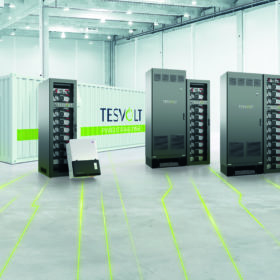
Tesvolt unveils new battery line for commercial, industrial applications
Tesvolt’s new E Series includes the TS-I HV 80 battery and the TS-I HV 100 battery, with storage capacities of 80 kWh and 90 kWh, respectively. Both of the devices have efficiencies of up to 98%.
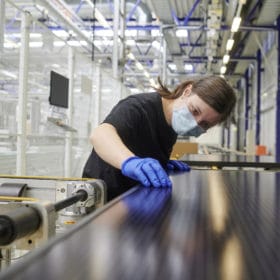
Meyer Burger to increase module, cell capacity in Germany
Swiss PV module manufacturer Meyer Burger has decided to achieve its capacity expansion targets by focusing on its German factories, in reaction to ongoing global logistics problems and supply chain issues.
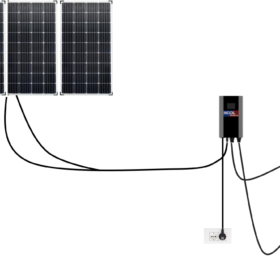
New PV water heater from Germany
German startup Nexol has developed a photovoltaic water heating system that relies on a smart controller, with either DC and AC power. It decides autonomously if grid electricity or PV is used, with the latter always preferred.
