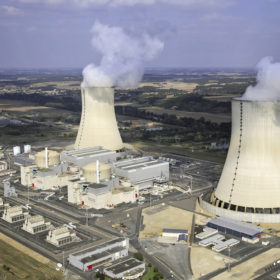
Nuclear: A poor investment strategy for clean energy
Study claims that investment in a new 1GW nuclear power plant leads to average losses of approximately 4.8 billion euros. It further argues that the technology’s dangerous radioactivity emissions and proliferation risks do not qualify it as a ‘clean’ energy solution to be considered for addressing climate change. Yet still, governments are incorporating the technology into clean energy plans around the world.
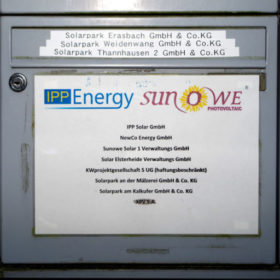
Sunowe’s trial for solar panel smuggling in Germany: customs must bring evidence
In the fall of 2017, German customs had revealed a “fraud cartel” around the Chinese photovoltaic manufacturer Sunowe, which is said to have circumvented the applicable minimum import prices. Among the arrested suspects was a local politician, which drew significant attention to the case. This year, the trial started in the spring, but suspension came at the beginning of July when the customs office did not provide evidence in time. A restart of the trial is expected this winter.
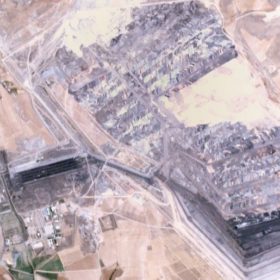
Renewables generation cheaper than coal for many power companies – but not yet for Eskom
An investor tool examining the coal fleets of major global power companies has offered up analysis which flies in the face of arguments solar and wind generation could help turn around the debt-saddled South African utility.
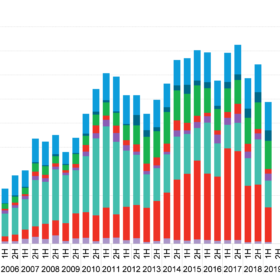
Global renewables investment fell in the first half of this year
While Spain, Sweden, Ukraine and Brazil attracted more funds than last year, China’s transition to an auction-based procurement system and slow performance overall in Europe saw worldwide backing decrease. BloombergNEF does expect investments to ramp up in the second half, however.
E.on switches UK residential offering to 100% renewables
The 3.3 million U.K. households that get their electricity from E.on will receive only renewable energy. The company referred to a public opinion poll as a motivation for the move.
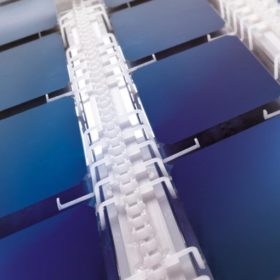
German PV equipment suppliers export 99% of their products
First-quarter figures from German engineering association the VDMA showed that, while orders picked up after a slow end to last year, almost all PV production equipment produced in the country is shipped abroad, with China the leading destination.

Ideematec banks new investment worth millions for business expansion
The solar tracker supplier is benefiting from a steadily growing PV market and has inked a deal with ABN AMRO Energy Transition Funds for new capital to expand its operations.
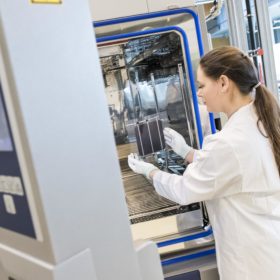
Oxford PV receives $43m investment from Meyer Burger and others
The British-German perovskite startup has closed series D funding with another £34 million to bring the money raised in the round to £65 million.
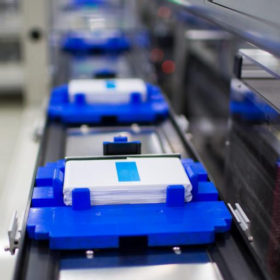
Battery maker CATL ramps up investment in German gigafab to €1.8 billion
Previously, a mere €240 million was set to flow into the giga-factory. The corporation’s management reasoned new demand for its battery cells made more investment necessary.
Virtual power plant maximizes performance of renewables assets during periods of energy oversupply
Using a VPP to regulate thousands of data points according to price signals can enable generation asset owners to take care of their systems within seconds and with very high granularity.
