End-of-life management of solar PV waste in India
A new study proposes an ‘extended producer responsibility’ regulatory framework for end-of-life solar PV management in India.
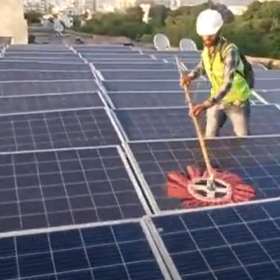
Handheld dry-cleaning tool for solar modules
The handheld, cordless cleaning tool is a cost-effective and efficient alternative to automated cleaning robots that are usually limited in operation by panel inclination.
India tenders 1.2 GW of wind-solar hybrid projects
Developers have until Dec. 6 to bid to set up a cumulative 1.2 GW of wind-solar hybrid capacity on a build-own-operate basis, anywhere in India.

Mathematical model to predict rooftop PV system yield
Scientists in India developed a mathematical model to predict the output of solar cells and modules in the field. The model was developed and tested using both sun simulator and actual installed modules. The scientists state that their model can be applied to a PV installation anywhere in the world, and that by taking into account module degradation over time their forecasts can be as much as 26% more accurate than existing energy yield models.
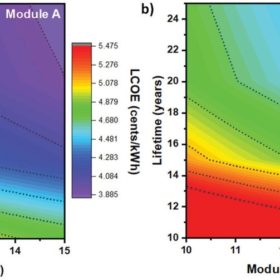
Analyzing the opportunity for perovskite solar module production in India
Scientists in India conducted a techno-economic analysis for a 100 MW production line for carbon-electrode perovskite solar modules, located in Himachal Pradesh, India. The analysis concludes that, even at the smaller scale, this emerging technology could achieve cost levels comparable with today’s silicon solar products.
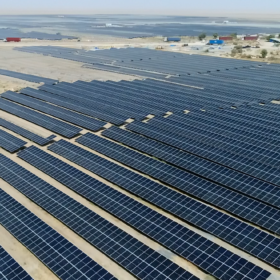
China power crisis hits Indian solar projects
After the ravages of Covid-19, electricity shortages in China have now raised costs for its solar manufacturers, with knock-on effects for developers in India too, again highlighting the dangers of relying on a single solar supply chain.
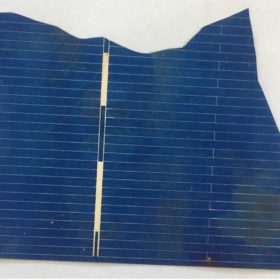
New tech to recover pure silicon from end-of-life solar cells
An Indian research group has used three different chemicals instead of commonly used hydrofluoric acid to separate silicon from the cell. The technique is claimed to be able to deliver recycled silicon with a purity of up to 99.9984%.

India launches tender for 50 GWh of battery cell output with subsidy support
The Indian authorities have opened global bids to set up advanced-chemistry battery cell manufacturing units in India under the production-linked incentive scheme. Applications are open until Dec. 31, but bidders must commit to setting up a minimum of 5 GWh of capacity to qualify for the government subsidy.
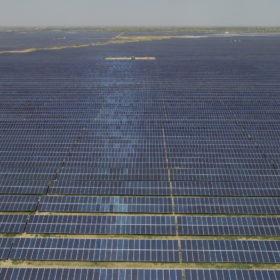
India added 8.8 GW of solar in first nine months of 2021
The country is expected to reach 14 GW of newly installed PV capacity this year. Of this power, around 11 GW should come from utility scale projects and 3 GW from distributed generation.
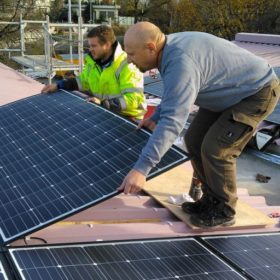
Solar job numbers kept on rising in 2020
The latest edition of a clean power jobs survey produced by IRENA and the International Labour Organization has stressed the important role which will need to be played by the public sector if the energy transition’s employment benefits are to be shared equally.
