India prioritizes domestic products in plan for 12 GW of new solar
The Indian Cabinet Committee on Economic Affairs has approved a plan for projects to be enabled by public bodies in the hope that avoiding competitive procurement will enable it to circumvent WTO rules related to import parity.

Indian state-owned utilities tender 45 MW of floating solar projects
Following power company NTPC’s 20 MW tender for Rajasthan and 15 MW procurement for Himachal Pradesh, Haryana Power Generation Corporation Limited has invited bids to develop 10 MW of floating PV in Hisar. The deadline for bid submission is on March 1.

Indian state of Tamil Nadu floats new solar policy to generate 9 GW by 2022
The state government has unveiled its new solar energy policy. The ambition would encompass projects, programs and installations relating to solar PV and thermal energy, and is aimed at utilities as well as energy consumers.
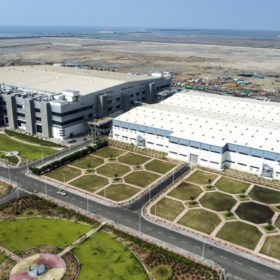
India’s 10 GW mega tender has now been trimmed to 3 GW
A week after rejecting the sole bid received – from Azure Power – for its manufacturing-linked 10 GW solar procurement, the government has trimmed the size of the ill-fated exercise by more than two-thirds.

US leads as the volume of corporate clean energy bought smashes record
Companies in the United States accounted for more than 60% of the clean energy deals signed by corporations worldwide last year, according to BloombergNEF. A proposed renewable portfolio standard for Chinese business, though, could turn the picture upside down in a year’s time.

Indian state of Maharashtra’s 1 GW tender attracts bids for 1.9 GW
Domestic developers Avaada Power and Adani lead the way with each bidding for half the capacity available, after the state distribution company raised the maximum tariff and extended the bid deadline.

Abu Dhabi’s Masdar vies for stake in Indian developer Hero Future
State-owned Masdar Clean Energy is in talks to acquire a 30-35% stake in Hero Future Energies. With the stake sale, the renewable energy arm of Hero Group expects to raise $300-350 million for its expansion into global markets, according to reports.

PV Market Alliance expects 120 GW of new solar capacity in 2019
The global market stagnated last year, with around 98 GW deployed. For 2019, the experts expect stronger solar growth, provided there are no setbacks in China.
Electric car sales in India declined by 40% in 2018
EV sales retreated to a mere 1,200 units in the 2018 financial year, but electric two-wheeler sales rose 138%, to 54,800 units, according to research and consultancy group Wood Mackenzie.

Rejection of Azure Power bid confirms failure of India’s 10 GW ‘mega-tender’
Delhi-based developer Azure had bid for a 2 GW project on a single site – plus 600 MW of manufacturing capacity – as part of a much-hyped national 10 GW manufacturing-linked tender. The government has decided to reject the bid because it says the quoted price is unreasonable.
