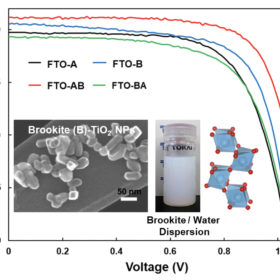
Titanium oxide helps perovskite solar cell reach 16.8% efficiency
A group of Japanese researchers have used anatase and brookite, which are two different variants of titanium dioxide, to improve the efficiency of a perovskite-based solar cell. The use of the two minerals is said to considerably improve the control of the electron transport out of the perovskite layer.
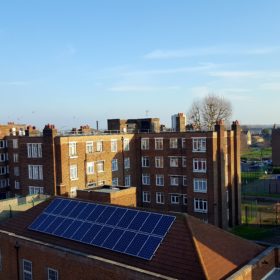
Kyocera uses blockchain to test virtual power plant based on solar and storage
The module maker and electronics giant is testing the feasibility of a complex virtual power plant with a blockchain platform provided by US-based LO3 Energy.
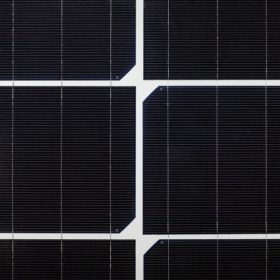
Markets started to embrace non-conventional modules in 2H 2018
Analysts at PV InfoLink said the number of markets open to new technologies such as half-cut and shingled panels is constantly rising. Australia, Japan, Spain, the UAE and Brazil were cited as the hottest markets for Chinese “special modules”. Total annual production in China for half-cut modules, which are set to increase their market share this year, should reach around 20 GW.
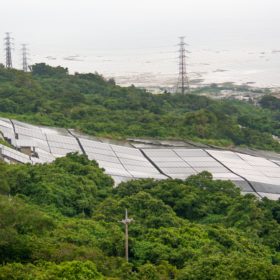
Japan proposes 22% commercial solar FIT cut in latest move to trim costs
With the transition to an auction procurement mechanism under way, Japan is this year set to expand the range of projects subject to the tender system from 2 MW-plus to 500 kW and above. With certain FIT cuts for projects with more than 2 MW capacity set to take effect in the second half of the year, the Ministry of Economy, Trade and Industry has now proposed reducing tariffs for 10-500 kW commercial PV systems.
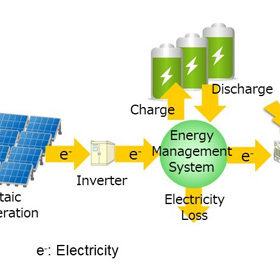
Japanese scientists seek to lower costs of PV-powered hydrogen
A research team has conducted a demonstration of the economic feasibility of battery-assisted, low-cost hydrogen production from solar. The scientists claim their system will mean hydrogen could be produced for $0.15-0.25 per cubic meter in 2030.

Tokyo Gas invests further in solar and creates JV for storage
The acquisition of a 4.8 MW solar plant in the Kyoto prefecture and creation of a joint venture with Japanese storage specialist Exergy are part of the group’s 2020 plan to diversify its business into renewables and acquire 1 GW of capacity in them.

LG solar business affected by panel price falls as Kyocera reports poor results for PV sales
South Korean manufacturer LG said import tariffs and panel price depreciation led to lower profit for its B2B division. Japanese electronics company Kyocera saw the revenue of its Life & Environment Group fall by 26%, year-on-year, in the first nine months of the current fiscal year.
FIT cuts and lower revenue may cause more bankruptcies in Japan
A Teikoku Databank report says as many as 95 solar companies went bankrupt last year – seven more than in 2017. The company warns the negative trend that began in 2016 may escalate as FIT reductions for large-scale solar come into effect.
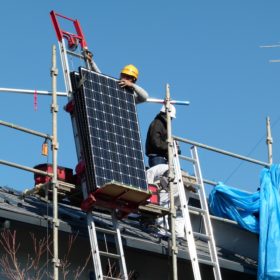
Japanese government warns against fire risk from rooftop PV
The warning was made by the nation’s Consumer Affairs Agency, which claims 172 fire accidents occurred in Japan from 2008 to 2017. The Japan Photovoltaic Energy Association said it will provide homeowners with the relevant information and stressed fire risk should not be used as an argument against the energy transition.

US leads as the volume of corporate clean energy bought smashes record
Companies in the United States accounted for more than 60% of the clean energy deals signed by corporations worldwide last year, according to BloombergNEF. A proposed renewable portfolio standard for Chinese business, though, could turn the picture upside down in a year’s time.
