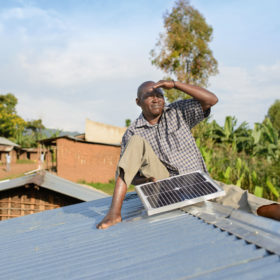
Off-grid solar funding concentrated in just three companies
With a previous 50-50 split between equity and debt investment funding for the off-grid market lurching to 84% borrowing, and commentators stating most of this year’s backing was agreed before the onset of Covid-19, fears are mounting about the prospects for the sector.
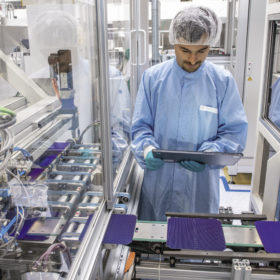
IRENA presents $2tn plan to drive 5.5m renewables jobs by 2023
Doubling down on renewable energy investment and energy transition spending is required to ensure a truly green global recovery from the Covid-19 crisis and its economic aftershock, claims the International Renewable Energy Agency.
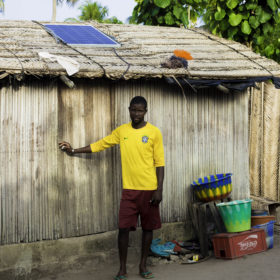
Lumos receives $35 million from DFC to expand renewable energy access to over 1 million Nigerians
Lumos Global has received US$35 million to fund its off-grid solar home systems installation project in Nigeria.
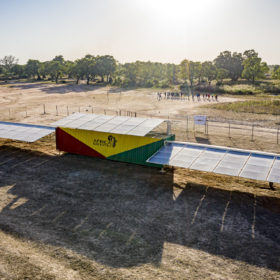
Nigeria launches off-grid solar tender
The Nigerian Ministry of Power is accepting bids to build seven off-grid PV projects, along with other installations that will improve access to energy.
The weekend read: Expand and connect
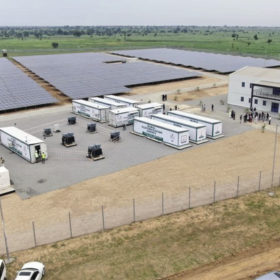
Almost 60% of Nigeria’s population currently has access to electricity. But this breaks down as 78% in cities and urban areas, and just 39% in rural communities. The Rural Electrification Agency (REA), established by the government as part of electricity sector reforms in 2005, is tasked with bridging this gap and bringing reliable energy supply to the most remote parts of Nigeria. pv magazine spoke with REA CEO Ahmad Salihijo Ahmad about the organization’s strategy and recent progress, as well as the challenges that remain for rural electrification in Nigeria and the role of PV technology.
Covid-19 weekly round-up: Residential systems in Italy will get a 110% tax rebate and UK consumers are being paid to turn appliances on as coronavirus turns the energy world upside down
Plus, Australia’s Greens want renewables front and center of the post Covid-19 economy and Mexican plant owners are overturning a politically-motivated ban on clean energy, however, Indian developer Acme solar says pandemic delays warrant it reneging on the terms of the record-low solar price agreement it signed.

Nigeria kicks off tender for 10 MW solar park
The Nigeria Sovereign Investment Authority (NSIA) is seeking proposals for a 10 MW grid-connected solar plant in Kumbotso, Nigeria.

Perovskites thrive under pressure
Scientists in the U.S. and Nigeria have studied the effects of pressure on perovskite solar cell production and found the correct application could improve cell efficiency by as much as 40% (relative). Push them too hard though, and they crack.
Covid-19 weekly briefing: Evidence abounds of renewable energy gains at the expense of fossil fuels as the clamor for a green recovery rises
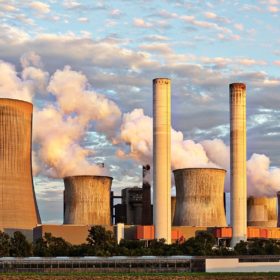
Portugal set a new coal-free record because of the pandemic as Belgium and Israel moved to help the renewables industry. But there was grim news in Mexico and Turkey, and Bangladeshi clean energy firms have appealed for more assistance.

Renewables and geopolitics: Who will ‘win’ the energy transition?
The losers in a world which no longer runs on fossil fuels are obvious but the dividend from shrugging off hydrocarbon dependency will be spread around most of the world so it is the nations which are winning the cleantech manufacturing and intellectual property race which appear best positioned for the future.
