
Agrivoltaics good for agriculture and panel efficiency
A U.S. research team has found the most efficient locations for agrivoltaics include western America, southern Africa and the Middle East. The researchers found crop land, grasslands and wetlands were the best environments for PV projects linked to agriculture. Conditions suitable for crops are ideal for improving solar module efficiency.

Everything is growing at Sunrun – including customer acquisition costs
Sunrun saw growth in deployments, revenues, cash and funding, as it expands its solar+storage business and pursues capacity sales. But the company and the larger third-party solar space are facing a sticky problem.

ET Solar is back in the US market
Six months after settling claims in the Chapter 11 bankruptcy case of its U.S. distribution subsidiary, the Chinese PV maker says it has signed more than 500 MW of U.S. module supply contracts.
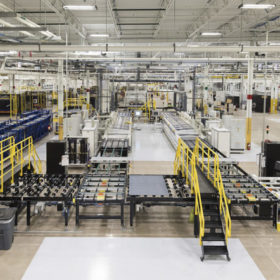
First Solar’s great ramp forward
First Solar has reported the largest quarterly production run and shipment volume in its history, and more than 2 GW of bookings in July alone. And with more factories underway, the thin film PV maker is just getting started.
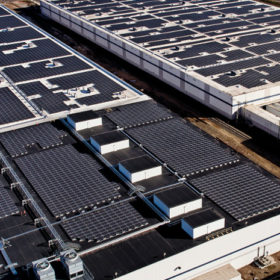
Amazon announces plans for 45 MW of solar
The e-commerce group will invest an undisclosed sum in a 45 MW solar array in the U.S. state of Virginia. It also plans to invest in a 23.2 MW wind farm in Ireland.

Third-party solar markets will win from US-China trade war — Fitch
The global power and renewable energy market is expected to remain largely unaffected by the Trump administration’s new wave of tariffs on Chinese goods. Although shipments of Chinese modules into the U.S. market are falling, Chinese manufacturers sent more panels to overseas markets in the first half of this year than they did in the same period of 2018. Analysts from Fitch, meanwhile, claim the U.S. solar market will continue to expand, despite higher project costs.

Lowering emissions without breaking the bank in India
A combination of carbon pricing and a renewable portfolio standard for electricity companies in India will be more effective than either measure in isolation to help the nation meet its climate change targets, according to a study by MIT researchers.
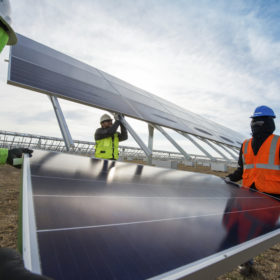
SunPower’s slow climb towards the black
The high efficiency solar panel maker pulled off a rare profit in the second quarter due to selling off leases, but expects to report another quarterly loss in its next update.
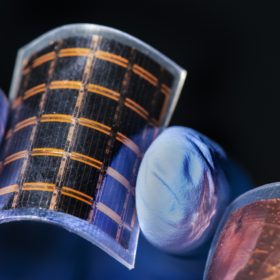
Another step toward affordable III-V solar cells
The U.S. National Renewable Energy Laboratory reports further progress in bringing down the cost of III-V solar cells. Scientists have refined their ‘brand new, 50-year-old’ D-HVPE technology to speed up the production rate for gallium arsenide solar cells by a factor of more than 20. The development is a potential step toward making incredibly efficient solar cells cost effective for everyday purposes.
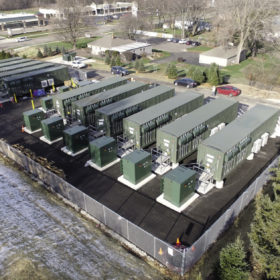
Utility scale, rather than behind-the-meter batteries will drive energy storage take-up – Bloomberg u-turn
The analyst has published its latest Energy Storage Outlook report and says large scale deployment will provide the majority of the 1,095 GW/2,850 GWh of battery storage worldwide in 2040, with prices driven down further by grid services demand and EVs.
