Solar module lifetime predictions are getting better
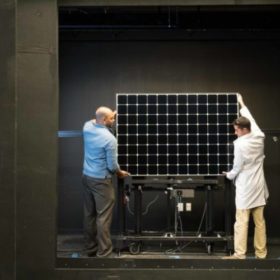
NREL has proposed a new methodology for determining solar module degradation rates, taking into account measurement challenges such as sensor drift, inverter nuances, soiling and others – keeping the focus on the solar modules themselves.
“Wall of money” fighting for U.S. solar projects
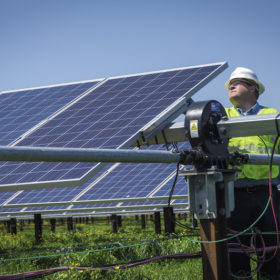
Wood Mackenzie notes that new investors and sources of capital are chasing down a limited supply of viable U.S. solar projects and sees tightening targets, expanding project appetite, and evolving techniques.
Molten silicon storage enough to power city, says MIT
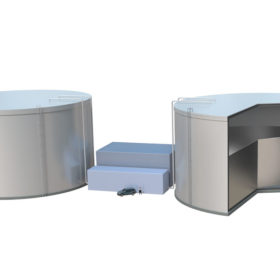
The system turns light of white-glowing molten silicon into electricity using specialized PV cells. The researchers claim that the concept could store electricity at around half the costs of pumped hydro. A single system comprising two ten meter tanks could power 100,000 households.
US energy storage storm grows in strength
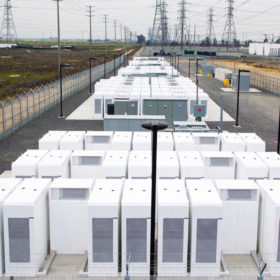
A Wood Mackenzie report shows U.S. energy storage deployments tripling in capacity during Q3 ’18 versus last year’s volume, while noting that the future pipeline growth rate doubled versus prior quarters to reach 33 GW of future projects.

Self-tracking solar panels, inspired by a lizard’s feet
Scientists at Harvard University have developed a type of material that can be programmed to move in response to various stimuli, including light. One possible application, says the group, could be in solar panels with integrated microstructures that track the sun without any energy input.
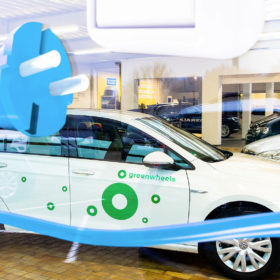
New plans by VW, Tesla and BYD support predictions that EV sales are set to skyrocket
A number of significant manufacturing and investment plans in China, Germany and North America by major automobile makers VW, Tesla and BYD are backing up predictions that electric vehicle car sales are set to skyrocket in the coming decades.
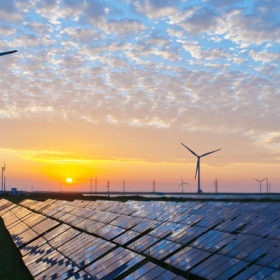
US utility Xcel Energy gets in front of the 100% renewable energy movement
By setting a timeline for the inevitable decarbonization of its fleet, Xcel is moving to have an energy transition on its terms.
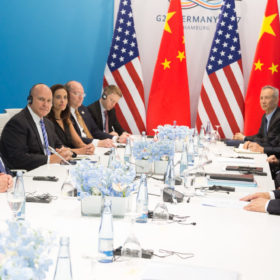
Inverters from China to be spared 25% tariffs – for at least 90 days
Enphase, Huawei and other companies which make inverters in China may be the beneficiaries of a compromise struck between Presidents Donald Trump and Xi Jinping.
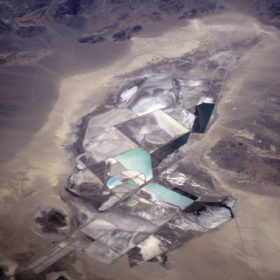
The weekend read: Limits to lithium
Lithium-ion prices are jolting upwards, it’s time to take a second generation storage solution seriously. Craig Irwin of ROTH Capital Partners says his company has been a long-term skeptic on both the lithium-ion battery cost curves shared by major OEMs and price forecasts presented by industry consultants.
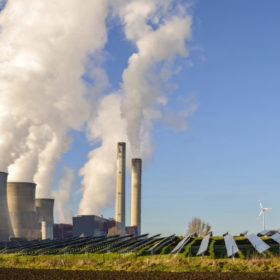
Some 42% of the world’s coal generators run at a loss
Carbon Tracker has released a report claiming it is cheaper, in many markets, to construct new renewable generation assets instead of running legacy coal-fired power plants. Billions could be saved for customers, while profits in the two-digit billion-dollar range look set to be lost by the coal industry.
