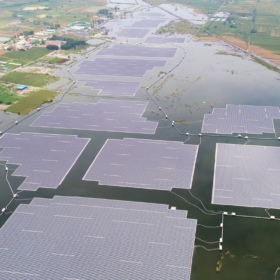
Water-based photovoltaics reach global capacity of 21.18 GW
An international research team has developed an index-based remote sensing method to see trends in the global development of water-based PV. It has found that China currently accounts for 80% of the global total deployed capacity.
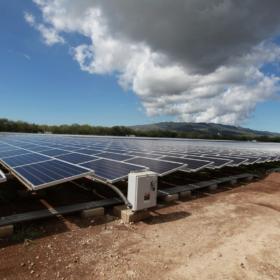
US solar developers secure over $1 billion for 1.4 GW of projects
US solar developers Soltage, Origis Energy, and rPlus Energies have secured more than $1 billion in financing across three major deals, signaling sustained investor confidence in utility-scale solar and storage despite US policy uncertainty. The transactions back more than 1.4 GW of solar and 1.8 GWh of battery capacity.
Sunnova files for bankruptcy
US residential solar company Sunnova has entered into asset and power purchase agreements to support operations while it seeks a buyer.
Storage case study: Bulgarian C&I project sets new deployment benchmark
We will dive into a case study of Sigenergy’s 20MWh Bulgarian project which has set a new benchmark for deployment speed and explore the technologies which made it possible.
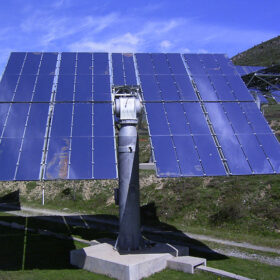
CSP-driven multigeneration system combines hydrogen generation with compressed air, pumped hydro storage
Researchers have designed a novel multigeneration energy system that provides five outputs, namely electricity, hydrogen, cooling, heating, and hot water. The system is mainly powered by a solar heliostat system and incorporates compressed air and pumped hydro storage technologies for storing surplus power.
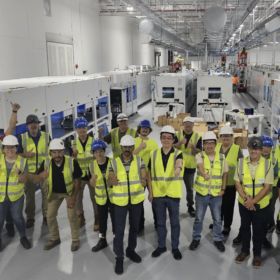
US solar manufacturing surges in Q1 amid policy fears, trade risks
US solar manufacturing ramped up sharply in the first quarter of 2025, supporting record levels of new capacity as solar and storage made up 82% of additions to the grid. But proposed legislation and rising import tariffs could cloud growth prospects.

US residential solar lender Mosaic files for bankruptcy amid policy uncertainty
US residential solar lender Mosaic has filed for Chapter 11 bankruptcy amid rising interest rates and policy uncertainty, joining a wave of financial distress sweeping the sector. The company, which backed more than $15 billion in home energy loans, will pursue a court-approved restructuring backed by existing lenders.
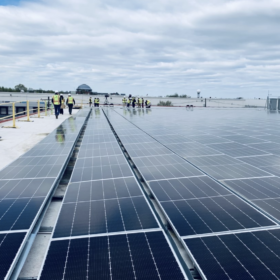
Qcells expands into solar panel recycling business
Qcells says its new EcoRecycle facility in the US state of Georgia will remove aluminum, glass, silver and copper from used solar modules and process them for re-use.
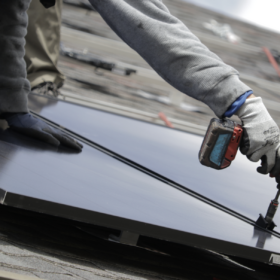
SunPower will beat solar policy threats, says CEO
SunPower CEO T.J. Rodgers says the company will survive looming cuts to federal solar incentives by staying lean, sharpening its technology edge, and tapping private capital. He argues that the industry will be stronger without subsidies.
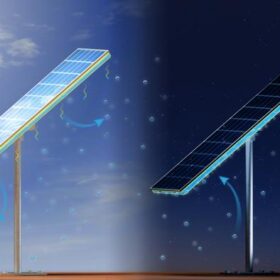
New cooling gel could raise PV module efficiency by 12%
Researchers in Saudi Arabia have developed a hydrogel composite that absorbs moisture in solar modules overnight and facilitates evaporative cooling throughout daylight hours. The system has undergone lab tests and outdoor experiments on two continents.
