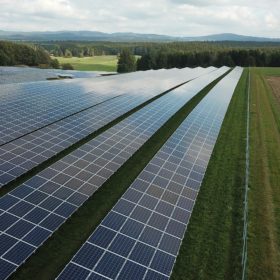
LCOE from large scale PV fell 4% to $50 per megawatt-hour in six months
Analysts at Bloomberg New Energy Finance say the lowest-cost projects financed in Australia, China, Chile and the UAE in the last six months hit a levelized cost of energy of just $23-29/MWh and the best solar and wind projects will produce electricity for less than $20/MWh by 2030.

Covid-19 weekly briefing: Merchant solar developers could seek shelter in return to subsidies and PPAs are being revisited, but at least the Irish are coping with lockdown measures
The unfolding effects of the Covid-19 crisis, and fears of a possible second wave, have split analysts trying to guess how the unsubsidized renewables market will emerge as slumping demand continued to distort power markets. pv magazine rounds up the week’s coronavirus developments.
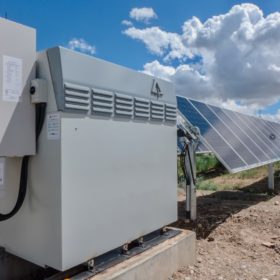
A redox flow battery for MW-sized solar-plus-storage
Matt Harper, chief commercial officer of newly-merged British-Canadian vanadium redox flow battery business Invinity Energy Systems has spoken to pv magazine about the VS3-022 Battery Unit it is marketing for grid scale solar-plus-storage projects and why it may be a better bet than lithium-ion.

Australian researchers shine light on potential storage solution
Researchers at the Queensland University of Technology have proposed a new design for a diamond nanothread bundle that could pave the way for a new form of mechanical storage. Pound-for-pound, the tech could be three times more powerful than lithium-ion batteries.
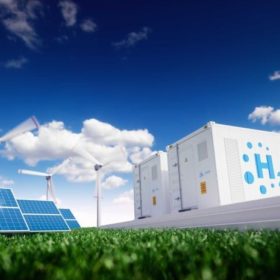
The solar highway to Australia’s renewable hydrogen economy
The Australian Renewable Energy Agency says that on-site solar electrolysis is not just the most cost-effective way of developing a domestic and export hydrogen economy, but perhaps the only way.

Is deep-sea mining eco-friendlier than land-based mining?
The International Seabed Authority will change regulations for deep-sea mining this year. The ocean floor is covered with potato-sized pebbles containing high levels of cobalt, manganese, nickel and copper – materials that could soon be in short supply as the energy transition progresses.

Covid-19 weekly briefing: A cold wind for APAC renewables, respite for Indian developers and another salary cut for SunPower execs
The coronavirus epidemic continues to batter the global economy, including the solar industry, but falling demand during lockdowns has brought negative energy prices as well as helping drive record solar generation, amid less-polluted skies.
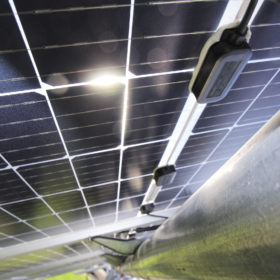
Nextracker the largest tracker provider in 2019
The ten largest solar tracker companies accounted for 88% of the market last year, according to analyst WoodMackenzie, with the market growing 20% from 2018.

Australian researchers take solar windows to the next level
The building-integrated PV devices have taken a big leap forward on the back of a partnership between Australian scientists and a major glass manufacturer which will investigate the use of semi-transparent solar cells in commercial applications, potentially revolutionizing building design.
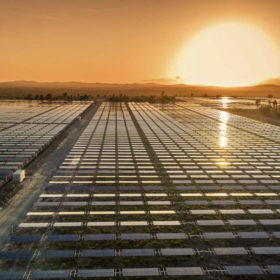
Falling power prices could benefit mega-sized solar and wind projects
The Covid-19 pandemic will create a “perfect storm” for Australia’s wholesale electricity market, as lower demand comes together with lower gas prices and the commissioning of large-scale solar and wind projects to depress power prices, according to a report by Melbourne-based consultancy RepuTex.
