
Europe surpasses 1 million EV milestone
The market experienced strong growth in nearly all states. Scandinavian countries lead the charge, but Germany showed strong growth in the first half of 2018, analysts report. An uptake in EV sales might result in profound effects on their use as flexible storage units, recent reports and interviews suggest.
Sweden’s Midsummer receives $3.3 million CIGS equipment order, announces expansion
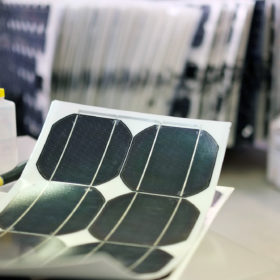
Turnkey PV equipment supplier, Midsummer has received a repeat order from an unidentified Asian customer for its thin film cell production equipment. On the back of strong demand, it adds that expansion is on the cards.

Facebook likes clean energy as corporate purchasing sets record
The social media titan is the world’s biggest corporate buyer of renewable energy so far this year. BNEF figures show the company has already secured 1.1 GW of green power this year, helping the corporate world break last year’s landmark.
Power2U energy management platform launched in Sweden
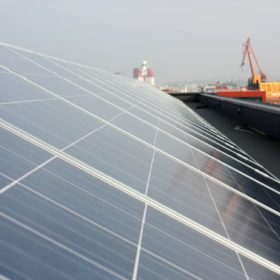
InnoEnergy has launched its energy management platforms with local partners in Sweden. The platform would help integrate renewable energy resources through battery storage management algorithms. An expansion into other markets is planned already.
Sweden increases 2018 solar budget, again
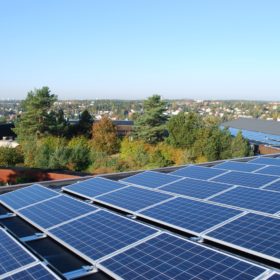
The annual budget for solar rebates has been raised from SEK 390 million to SEK 915 million (US$102.5 million). Additional funds are intended to spur more growth and reduce waiting period for applicants.
MW-sized solar parks proliferate in Sweden
Swedish power distributor Göteborg Energi is planning to deploy two PV plants totaling 6 MW while initiatives for solar parks above 1 MW are being implemented in several regions.

Siemens backs Northvolt’s Swedish battery factory plan with €10m
The German group has joined the project as a technology partner, and brings €10 million. Siemens will conduct digitalization of the value chain for Northvolt production and will be supplied with the factory’s products
Ireland offers funding for European collaboration on renewables
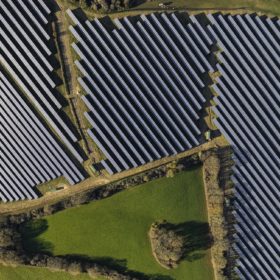
The Sustainable Energy Authority of Ireland (SEAI) has announced a €500,000 fund of Irish government and European Commission cash to promote sustainable energy technology development
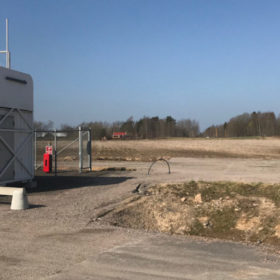
AT Solar builds innovative storage project based on hydrogen in Sweden
The goal of the project, RE 8760 is to show how the storage of renewable energies can make them usable all year round. The generated solar power is stored and converted into hydrogen. It can also be conserved over long periods and used to recharge fuel cell vehicles during the dark winter months.
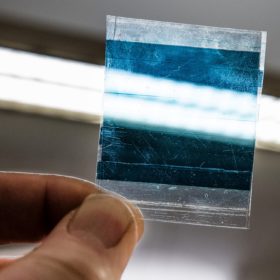
Swedish scientists develop new method to reduce defects in organic solar cells
The researchers found that printed solar cells achieved a better performance when they used an active polymer material as glue.
