Global solar capacity may reach 1,448 GW in 2024
SolarPower Europe has predicted the volume of new PV capacity added this year will be 4% less than last year’s figure because of the Covid-19 crisis. At the end of 2019, the world had topped 630 GW of solar. For 2020, around 112 GW of new PV capacity is expected, and in 2021, newly installed capacity could be 149.9 GW if governments support renewables in their coronavirus economic recovery plans.
Ukraine government presents FIT cuts and new auction rules to parliament
The Ukrainian government’s conference rooms have been stuffier than usual lately, as policymakers and renewable energy industry representatives attempted to thrash out a compromise to reduce the financial burden left on the administration by a feed-in tariff incentive regime which drove almost 2 GW of generation capacity. The resulting retroactive cuts to payments, outlined below by Ukraine-based lawyer Svitlana Teush, have at least had input from both sides.

Compensation for curtailments of renewable generation in Ukraine
As of November 2019, certain RES producers have been intermittently forced to reduce their output or halt production of electrical energy altogether under the instructions of Ukraine’s transmission system operator, NEC Ukrenergo. DTEK, along with several other large market players led the call for limitations. Many of the country’s RES producers have become alarmed.

Covid-19 weekly briefing: Merchant solar developers could seek shelter in return to subsidies and PPAs are being revisited, but at least the Irish are coping with lockdown measures
The unfolding effects of the Covid-19 crisis, and fears of a possible second wave, have split analysts trying to guess how the unsubsidized renewables market will emerge as slumping demand continued to distort power markets. pv magazine rounds up the week’s coronavirus developments.
Impact of Covid-19 on the Ukrainian energy sector
Over the past few months, the Covid-19 pandemic has caused an unprecedented global economic and social crisis all over the globe. Ukraine is no exception. The pandemic has significantly affected all aspects of life, including the country’s domestic energy sector.

Solar glass company posts stellar figures – but acknowledges Covid-19 threat
Xinyi Solar reported record profits earlier this month, not surprisingly prompting bullish talk of extending its plans to expand production capacity this year and next. However, with PV demand in Europe key to its returns, the company has accepted the coronavirus epidemic may have an impact this year.
Ukraine unveils plan for retroactive FIT cuts
The government has suggested PV plant operators accept a ‘voluntary’ 12.5% reduction in feed-in tariffs. If developers refuse, policymakers could impose 15-25% cuts, albeit with payment contracts extended five years. The drastic measures are being considered to reduce the cost of the state-owned Guaranteed Buyer body, which purchases all electricity generated in Ukraine from renewable energy facilities.

Ukraine has 350 MW of solar under net metering
Around 240 MW of new installations were deployed from October 2018 to the end of September and approximately 70 MW were installed in the third quarter of last year alone, according to the responsible state body.
The world will add 142 GW of new solar this year
IHS Markit has predicted another year of global solar growth but a peek behind the headline figures shows uncertainty dogging the markets of China and India, two of the most important markets and biggest polluters.
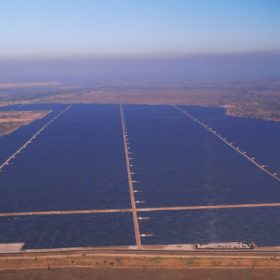
DTEK inaugurates 240 MW solar plant in Ukraine
The energy company wrapped up construction of the site in eight months. In March, DTEK commissioned a 200 MW site which was also installed in record time.
