
How much dust is enough?
A U.K. study has identified 13 soiling agents with differing effects on light transmittance. Researchers found some dust particles were able to degrade photovoltaic performance by as much as 98%.
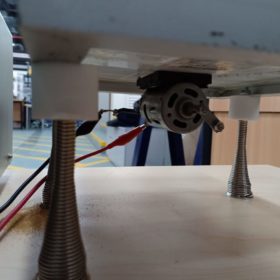
Vibration tech for self-cleaning solar panels
Scientists in the U.K. have developed a system which makes panels vibrate to provide cleaning. The academics have conceded, however, they are yet to calculate the ‘sweet spot’ of mechanical stress to be applied.

UK could see 900 MW of solar compete in subsidy round planned next year
Analyst Cornwall Insight said the figure, drawn from its Renewable Pipeline tracker, related only to the proportion of the nation’s 13 GW solar pipeline which had already applied for or secured planning permission.
Debt financing the main obstacle to PV during Covid-19 crisis
Industry body SolarPower Europe hosted a webinar to consider how the global public health crisis will affect solar. While workers and materials are still available, industry experts are concerned about the state of the financial sector. Banks could become more conservative and raise the cost of capital for renewables projects.

Covid-19 daily bulletin: Solar developer donates more Chinese PPE
Grenergy was this week due to ship 400,000 face masks to Latin America as European developers today voiced a fear project finance will become increasingly difficult to find as the coronavirus lockdown continues.
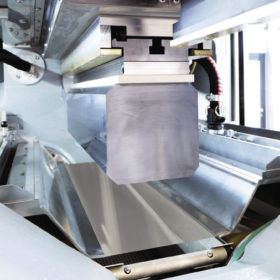
Covid-19 daily bulletin: Meyer Burger reduces working hours for staff
The Swiss equipment supplier already needed to shore up its bottom line and is now taking measures to help combat the spread of an epidemic which has also claimed November’s planned climate summit in Glasgow and an estimated 19% of this year’s demand for energy storage.

Covid-19 daily bulletin
pv magazine rounds up the latest Covid-19-related stories likely to affect the world of solar and energy storage.
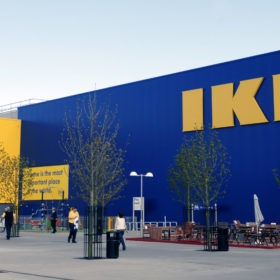
Swedish installer acquires residential operation of Solarcentury
As part of the deal, buyer Svea Solar will expand its installation of panels bought at furniture giant Ikea from its homeland to Germany, Belgium and the Netherlands. Offloading the residential business will enable London-based Solarcentury to focus on its global project ambitions.
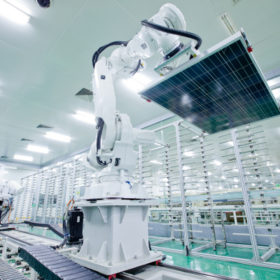
Jinko joins Covid-19 fight
The module giant today announced it will donate a million items of personal protective equipment to the European and Asian countries currently battling the spread of the novel coronavirus.
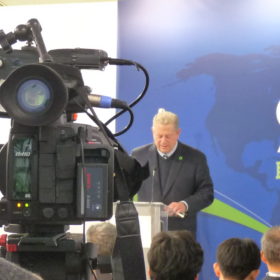
Could Covid-19 be the catalyst for change where the COP process has stalled?
While the world’s climate negotiators dither, the post Covid-19 world could see their efforts overtaken – but only if policymakers are bold enough to take the opportunity to offer truly green fiscal stimulus packages to get us through the crisis. Felicia Jackson, from the center for sustainable finance of the School of Oriental and African Studies at the University of London, gives her thoughts here.
