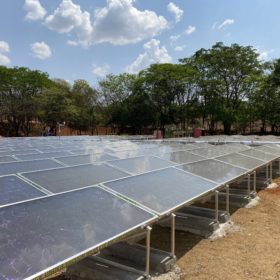
Swiss startup builds ground-mounted solar thermal power plant in Netherlands
Switzerland-based TVP Solar is applying the typical business model of utility-scale PV plants to its new project in the Netherlands. The project will inject heat into the Dutch heating network at temperatures ranging from 69 C to 93 C and under a 30-year heat purchase agreement.
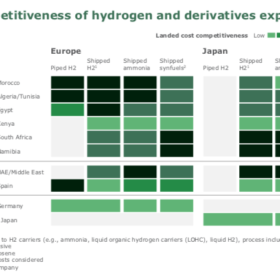
The Hydrogen Stream: Africa could become key green hydrogen market by 2050, says Masdar
Masdar says Africa’s annual hydrogen exports could hit 40 million tons by 2050, while Israeli researchers have published a new study on the discharge characteristics of oxidized intermediates formed under water photo-oxidation conditions.
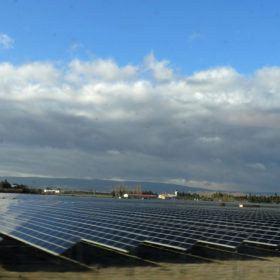
French government sets up PPA guarantee fund for renewables
The French government has revealed that French lender Bpifrance will manage a fund to guarantee power purchase agreements for up to 500 MW of cumulative installed capacity.
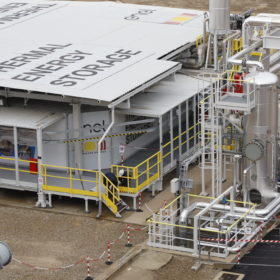
World’s first utility-scale, rock-based storage facility goes online in Italy
Enel is testing a 24 MWh thermal energy storage system that could be used for seasonal renewables storage. The facility uses rocks that store excess energy as heat, then releases that heat to generate steam for electricity.
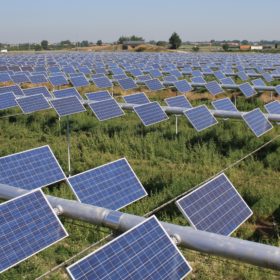
Sun-tracking mounting structure for agrivoltaics
Italy’s Rem Tec has developed a rotating mounting structure for agrivoltaics. It is reportedly ideal for flat surfaces with a maximum slope of 3%, and is designed to produce a dynamic, controlled shadow on the ground.

Wärtsilä releases 12.4 MW grid-balancing engine
Finland’s Wärtsilä has unveiled its next-generation grid balancing technology. It has an efficiency of 52.3% and can be used for baseload production. It connects to the grid in 30 seconds and operates on natural gas, biogas, or hydrogen blends.
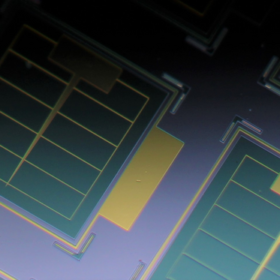
Ultra-thin, radiation-resistant solar cells for new space applications
UK scientists have developed a solar cell based on a layer of gallium-arsenide just 80 nanometers thick, with similar performance to much thicker devices. It showed excellent resistance to damage from radiation exposure, making it ideal for high-radiation satellite/space applications.
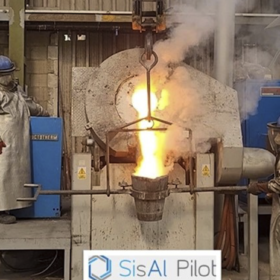
Novel production process for solar-grade silicon
The SisAl Pilot project produces solar-grade silicon from Spanish quartz without using coal and with zero CO2 emissions. The company behind the project claims that the process is cheaper and more sustainable.
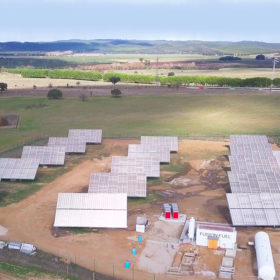
Portugal switches on first solar-to-hydrogen plant
The Portuguese Fusion Fuel and Ballard Power have announced the successful commissioning of the H2Évora plant on Portugal The grid-connected pilot project will produce an estimated 15 tons of green hydrogen per year.
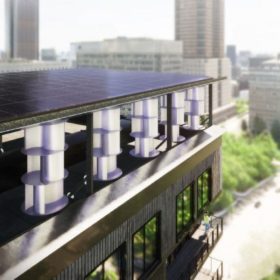
French startup reveals rooftop system with PV panels, mini wind turbines
French startup Unéole has developed a rooftop system that combines solar and silent wind turbines. It claims its system can produce 40% more energy than standalone rooftop solar arrays. It is now testing the device, with plans to commercialize it by 2023.
