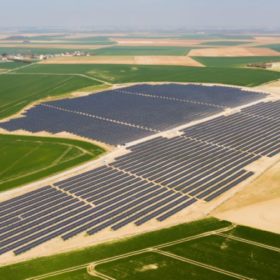
Eni continues rapid Spanish solar expansion with acquisition of Dhamma project pipeline
The decision of the Italian energy firm to acquire a 2.8 GW-plus solar pipeline in Spain and France has come on the same day it was announced Eni would assume 1 GW of solar capacity in Spain from another business. The value of neither deal, nor the form of finance involved, has been revealed.

Italy’s Eni to acquire 1.2 GW renewable project portfolio in Spain
Independent asset manager Azora is selling the renewable energy portfolio, which includes five large solar PV parks totaling 1 GW in advanced stages of development, located in Andalusia, Castilla-La Mancha, Castilla y León, Catalonia, Galicia, and La Rioja, to Eni.
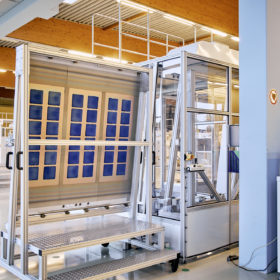
Oxford PV completes 100 MW factory build out
Perovskite tandem developer Oxford PV has completed the fit out of its 100 MW tandem cell line in Brandenburg, Germany – although the company awaits for the delivery of one perovskite deposition tool, which would complete the high efficiency cell process. Oxford PV, which in December 2020 hit a new world record cell efficiency of 29.52%, hopes to begin commercial production in early 2022.
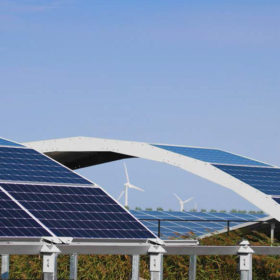
Arc-shaped PV system for agrivoltaics from Germany
The PV mounting system was developed by Germany-based Goldbeck and will initially be available in the Netherlands from 2022. The company will test the new technology in a 45 MW PV project.
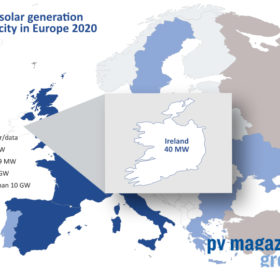
Ireland set for another 400 MW of solar
Power Capital Renewable Power has acquired a controlling stake in an extensive solar portfolio under development by Terra Solar.

Organic solar panels designed with coloured Moiré effect
French organic PV specialist Armor, and a Dutch designer specialized in integrating PV in furniture, windows and other objects, have provided the module technology for the Netherlands’ pavilion at Expo 2020 Dubai.

‘Polysilicon shortage will continue through 2021’
The latest global PV industry outlook published by trade group SolarPower Europe, has indicated tight supply of the solar panel raw material is expected to persist this year but the trade body said it would be unlikely to drive further price rises.

Belgium’s Flanders region allocates 33 MW of PV in first renewables auction
The procurement exercise’s final prices for the PV source ranged from €0.0321 to €0.15 per kWh. The next auction will be held in September.
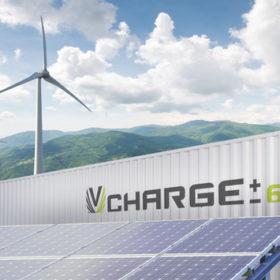
Enel installs 6.1 MWh vanadium redox flow battery in Spain
The battery will be provided by Canadian vanadium mining company Largo Resources. It will come online in the third quarter of next year.
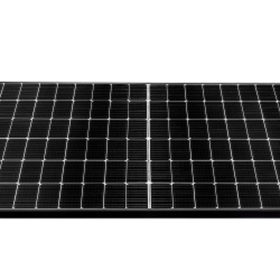
REC unveils second generation of its N-Peak solar module
The manufacturer plans to start production of the performance-enhanced solar modules in August. The first customers should then receive the products in October.
