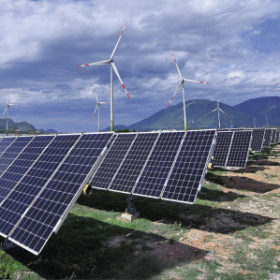
A new converter topology for hybrid wind-solar
A researcher has proposed a new approach to apply maximum power point tracking techniques to optimize electricity production in wind-solar power projects. The permanent magnetic synchronous generator hybrid model used in the study is based on a multi-input rectifier stage which is said to be able to eradicate current harmonics and eliminate the need for extra input filters.
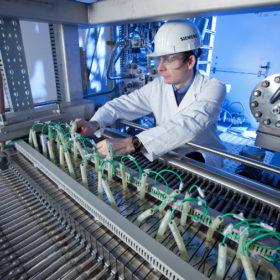
Green hydrogen to reach cost parity by 2030
Recent analysis from Wood Mackenzie predicts green hydrogen, produced primarily by solar electrolysis, will reach cost parity in Australia, Germany and Japan by 2030.
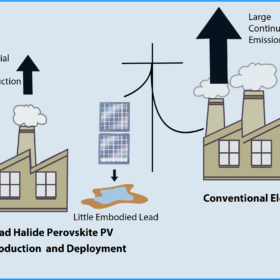
Benefits and risks of lead halide perovskite photovoltaics
Lead halide perovskite PVs (LHP-PV) have rapidly emerged over the last decade as a potentially viable thin film PV technology, because of their high efficiency and potential for low manufacturing costs. However, concerns remain over potential impacts to the environment and human health arising from the use of toxic lead in LHP-PVs.

Solar on track to become No. 1 energy resource by 2035, IEA finds
Just over three terawatts will be installed by 2040. Coal generation will remain largely flat, however. Gas generation capacity will rise, making CO2-emissions reduction unattainable under current projection scenarios.
IRENA predicts LCOE of solar will drop to $0.01-0.05 by mid century
The latest study published by the International Renewable Energy Agency says the average solar electricity cost of $0.085/kWh produced by projects commissioned last year is set to fall to $0.048 next year, and $0.02-0.08 by 2030.

pv magazine market survey on micro-grid controllers: Intelligent management for micro-grids
The successes and benefits of distributed micro-grids depend largely on intelligent controllers and the solutions on offer for such systems are diverse. In our market survey, we take a closer look at the products available from 24 manufacturers.
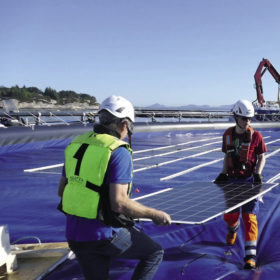
Put your hands on a floating PV system
A new handbook published by the World Bank and Solar Research Institute of Singapore contains advice on how to plan and build floating PV. The guide is intended to help developers with site identification; feasibility studies; finance; environmental and social issues; procurement and construction; and operations and maintenance.

Volvo to join blockchain-powered ethical auditing of cobalt supply chain
Corporations in the auto industry, battery manufacturing and mining have joined forces to establish reliable due diligence reporting on raw minerals. Volvo will be among the first to move on the issue by putting its cobalt supply chain under scrutiny early next year.
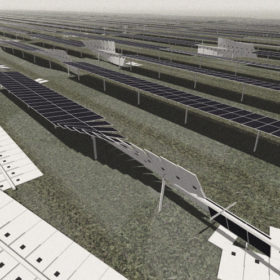
The weekend read: We need to talk about wind resilience
The discussion about wind damage in PV structures is getting louder and more heated, especially with rapid single-axis tracker growth in many markets. Whether it’s social media comments on failure photos, or one side of the profession taking shots at another in the press, the dialogue is at risk of becoming cynical. Simon Hughes, partner at technical and commercial energy consultancy Everoze, shines a light on four things that need to happen next, as well as the need for more dialogue between stakeholders.

Distributed storage market to grow nearly twentyfold by 2028
Market intelligence company Navigant Research has developed a country forecast of the global market. Incentives and pricing will be the main driver of installations, though the market will continue to be concentrated in certain key regions for now.
