
Chad’s installed PV capacity hits 110 MW, supplying 37% of electricity
Chad has one of Africa’s highest solar penetration rates, a result of a small power system with just 12% electrification, as large-scale solar and storage projects gather pace around N’Djamena, even as political uncertainty over oil revenues constrains faster deployment.
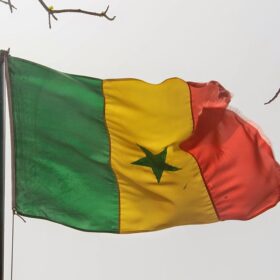
Senegal’s solar capacity hits 671 MW
Senegal has reached an 84% electrification rate, with 294 MW of residential PV installed, while several large-scale solar-plus-storage projects are under development, despite the start of production at the Sangomar gas field.

Slow progress on access to electricity in Sub-Saharan Africa
Sub-Saharan Africa accounts for eight of every ten people lacking access to electricity, according to the International Energy Agency, with early data for 2025 suggesting the rate of progress is set to remain broadly flat.
African PV imports from China up 60% in one year, says Ember
Think tank finds evidence of “take-off” for solar in Africa, with import growth is spread across the continent. Ember analysis notes import surge has potential to markedly increase electricity generating capacity in some countries.
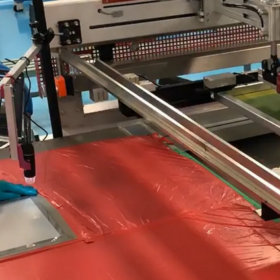
UK-African consortium explores perovskite solar manufacturing potential in Africa
The UK’s University of Swansea is leading a consortium that aims to develop sustainable next-generation perovskite solar manufacturing in Nigeria, Rwanda, South Africa, and Kenya.
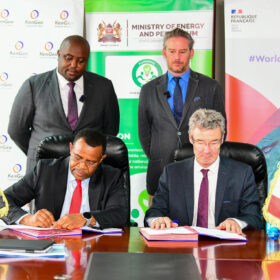
France finances 42.5 MW power plant in Kenya
The French Development Agency has provided a confidential amount of financing for the construction of a ground-mounted solar power plant to be operated by Kenya’s national electricity company, KenGen, at the site of the Seven Forks dams, which together have a combined 600 MW of hydro power capacity.
Ethiopia inviting consultants for planned utility-scale PV project
State-owned utility EEP is looking for consultants to prepare a feasibility study that will encompass such key tasks as hydrology analyses, geotechnical and seismic investigations and assessments of meteorological conditions, solar resources and energy yield.

Amea Power switches on 26.6 MW solar farm in Burkina Faso
Amea Power has connected the Zina solar plant to the grid in Burkina Faso, to power the Mana gold mine in Mouhoun province.
Mali to build 200 MW of solar with Russian support
The authorities in Mali have revealed plans to build a 200 MW solar plant with backing from Russia.
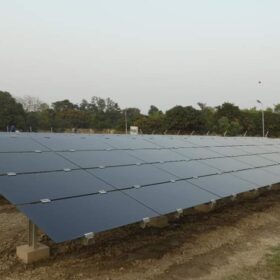
Nigeria to deploy 250 MW of distributed solar
Nigeria’s Rural Electrification Agency is partnering with Husk Power Systems for interconnected minigrids and isolated minigrids, rooftop commercial and industrial (C&I) solar, productive use of energy (PUE) initiatives, appliance sales, and financing.
