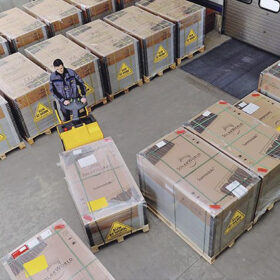
US solar prices double European costs amid regulatory challenges
The requirements of measures such as the Uyghur Forced Labor Prevention Act (UFLPA) mean that solar panel prices in the United States can be twice as much as in Europe.
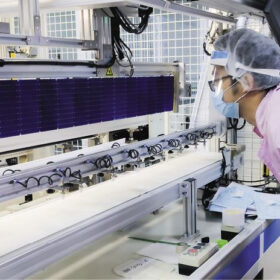
China’s solar dominance set to continue amid price slide
With solar module oversupply triggering a price freefall in 2023 and no recovery in sight, market consolidation, inventory pile-up, technology shifts, and challenges to reshoring PV manufacturing are set to affect all levels of the solar supply chain.
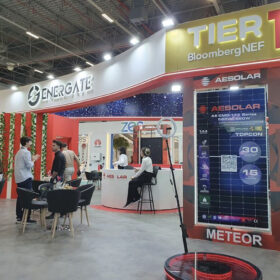
Turkey’s solar ambitions range beyond its borders
The number of module assembly businesses in Türkiye continues to rise but, despite protectionist moves to support domestic manufacturing, consolidation appears likely. Ambitions abroad, expansion at home, and interest from Chinese suppliers, were all on show at the recent SolarEX trade fair in Istanbul.

How solar tariffs destroyed tens of thousands of jobs in Germany
Calls for barriers and duties are resurfacing in Europe as solar module prices sharply fall. German PV analyst Karl-Heinz Remmers recalls the 2009-13 period, when the European Union introduced anti-dumping and anti-subsidy duties. This drove the loss of 80,000 jobs in the solar industry, despite or perhaps because of the tariffs on PV modules and raw materials.

Another anti-circumvention case filed in the US against Southeast Asian countries, said ROTH
Auxin Solar filed the anti-circumvention petition against Vietnam, Malaysia, Thailand, and Cambodia, said an industry note from Philip Shen, managing director at ROTH Capital Partners.

Solar trade dispute: New petition to review undertaking likely submitted to the EU
There is no official confirmation that a request for a review of the anti-dumping and anti-subsidy measures against Chinese solar PV manufacturers has been submitted in Brussels in early June, however there are several reasons to believe it has likely happened.

Indian government initiates anti-dumping investigation for the imports of EVA film for PV modules
RenewSys India has submitted a petition to the Directorate General of Anti-Dumping & Allied Duties for the imposition of anti-dumping duties on imports of Ethylene Vinyl Acetate sheets for solar modules from China PR, Malaysia, Saudi Arabia, South Korea, and Thailand. Evidence of dumping has been found.
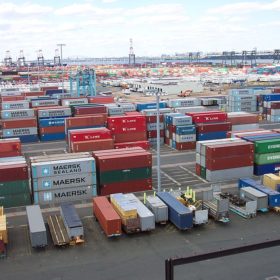
India considers 7.5% duty on imported solar modules
According to reports, India is planning to impose a 7.5% tax on imported solar PV modules.
India imposes antidumping duty on tempered glass from China
The Indian Ministry of Finance has imposed an antidumping duty on tempered glass imported from China in the range from $64.04 to $136.21 per metric ton.

Taiwan starts investigation on PVInsights and EnergyTrend for lowering prices
The Taiwanese solar association filed a complaint on behalf of Taiwanese cell manufacturers, claiming that the prices set by the two market research companies do not correspond to real sale prices and are below real production costs.
