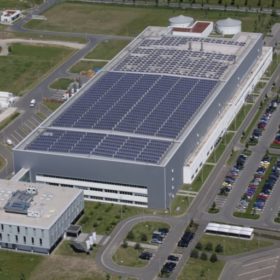
Astronergy will halt module production in Germany
The German subsidiary of the Chinese Chint Group will be restructured. The German site will in future focus on marketing and sales as well as areas such as customer care, logistics, customs clearance and other business-related services for European and global customers. More than 200 of the 230 employees will lose their jobs when production stops.

Hanergy tops list of top Chinese listed companies active in solar
The thin-film manufacturer, developer and maker of the Humbrella, HanTile and HanWall made 78th position in a ranking of China’s Top 500 companies, an improvement on last year’s 91st place, to lead the six solar-linked businesses on the list.
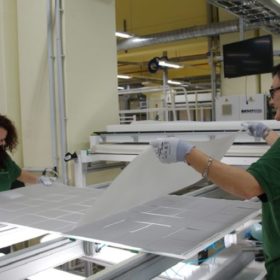
Astronergy’s German facility reportedly facing hard times
It has been reported short-time work at the module manufacturer’s Frankfurt (Oder) facility was halted at the start of the year because of below-subsistence wage levels. The company has not commented on rumors of a possible closure.
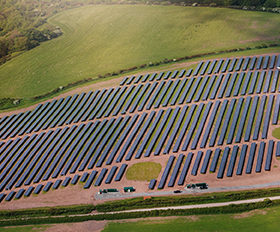
Goldbeck Solar plans 150 MW of solar in the Netherlands
The EPC has been operating in the Dutch market for a while. It expects to commission 150 MW of solar PV over the next two to three years. In related news, a total of 772 dairy farms are participating in the FrieslandCampina Solar program.
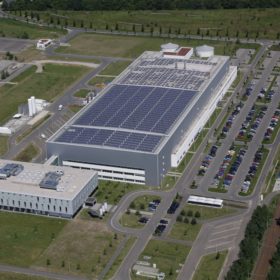
Astronergy announces upgrades to German production line
Module manufacturer Astronergy has announced a series of upgrades contributing to an overall production efficiency increase of 40% at one of its production lines in Frankfurt (Oder), close to Germany’s border with Poland.
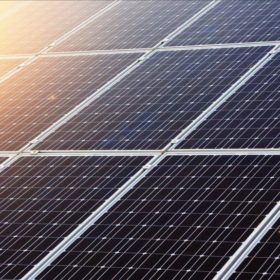
Harbor Star to acquire up to 75 MW solar in the Philippines
A subsidiary of Manila-based logistics firm, Harbor Star Shipping Services has agreed to acquire a 60% stake in Astronergy Development Gensan (ADGI), which owns the rights to build a 25 MW solar project in the Philippines.
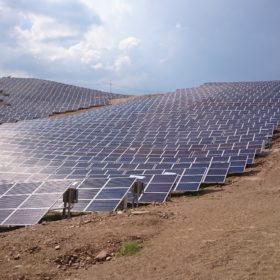
Turkey: ET Energy breaks ground on 19 MW project for Astronergy
ET Solutions AG, a subsidiary of Chinese renewable energy firm ET Energy, has announced that it has started the construction of a 19 MW PV project in Turkey for German solar module manufacturer Astronergy.
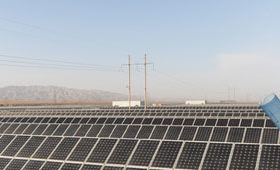
Astronergy finishes 16.5 MW in South Korea
The Chinese PV supplier invested 29.7 billion Korean won ($26.8 million) in the project on Jeju Island, roughly 80 kilometres south of the Korean peninsula.
Astronergy receives import license for solar modules in Turkey
The German solar module manufacturer has received the license for up to 100 MW of solar modules, and is one of the few international companies to receive such a license, after the Turkish government put strict limits on PV module imports in an attempt to develop its domestic market.
