
Optimizing endless PV-driven heat pump scenarios for costs, self-sufficiency
Researchers have used mixed-integer linear programming-based multi-objective optimization to optimize 30,912 unique scenarios showing heat pumps operating in combination with PV power. The optimization modeling was conducted under day-ahead spot market prices terms.
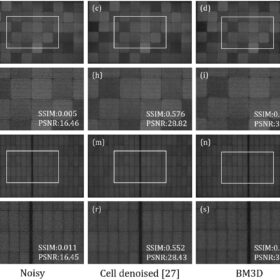
Denoising outdoor electroluminescence images of PV panels through deep learning
Researchers in Australia have developed a simplified residual network-based architecture method to filter out noise from electroluminescence images of PV modules. The proposed technique reportedly enhance the accuracy and efficiency of automated inspection systems for utility-scale PV plants.
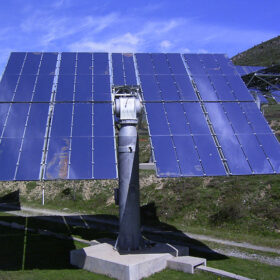
CSP-driven multigeneration system combines hydrogen generation with compressed air, pumped hydro storage
Researchers have designed a novel multigeneration energy system that provides five outputs, namely electricity, hydrogen, cooling, heating, and hot water. The system is mainly powered by a solar heliostat system and incorporates compressed air and pumped hydro storage technologies for storing surplus power.

Unsolicited rooftop solar sales subject to ‘super complaint’ in Australia
Australia’s consumer watchdog is being urged to ban the unsolicited sale of solar products with a national advocacy group saying the “harmful” practice is degrading trust in the solar industry and government schemes and discouraging people from participating in the transition to clean energy.
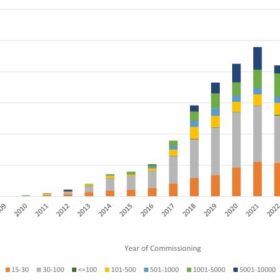
Australia’s solar growth hits 4.7 GW in 2024 as rooftop market shifts
Australia’s solar rollout continues to reach new heights with a combined total of 4.7 GW of small- and large-scale PV installed across the country in 2024, but shifts in the rooftop market suggest that diversification of services will be key for the nation’s installer community going forward.

Australia accelerates approval for 25 GW of renewables projects
More than 16 GW of solar and wind generation and approximately 6 GW of energy storage projects could benefit from an accelerated environmental approvals process as the Australian government works to deliver critical infrastructure needed to achieve its clean energy targets, including 82% renewable electricity by 2030.

Taslink plans deep-sea cable to connect Australia, New Zealand
New Zealand venture Taslink has announced plans to build a 2 GW to 3 GW capacity high-voltage cable linking Australia and New Zealand to facilitate the day-to-day trading of electricity between the two nations.
Australia’s top PV installers revealed as rooftop solar rises
Sunboost emerged as the top solar installer in the sub-100 kW rooftop PV market in Australia last year, having deployed more than 10,000 rooftop systems in 2024 with a combined capacity of almost 100 MW.
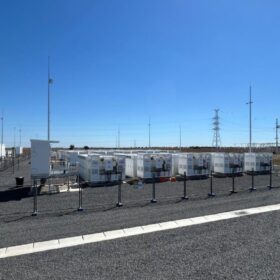
‘Grid-forming’ battery goes online in Australia
The 185 MW / 370 MWh Koorangie battery energy storage project in Victoria has reached a major milestone with developer Edify Energy confirming the system has successfully exported power to the grid for the first time.

International partners plan floating solar projects in Australia
Singapore-based Canopy Power has teamed with Norwegian floating PV specialist Ocean Sun aiming to accelerate the deployment of floating solar technology across Australia.
