
South Australia leads international rooftop solar cost rankings
A new study of residential solar installation costs shows that South Australia has the lowest prices in Australia, while even the most expensive Australian states cost about one-third of those in the United States and Canada.
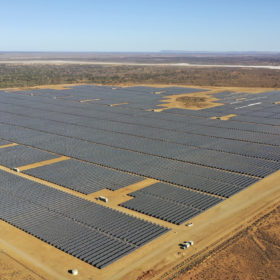
Large-scale solar delivers generation high in Australia
Large-scale solar farms across Australia generated a record 16.2 TWh of clean energy in 2024, delivering a near 7% increase on the previous year and taking the contribution from renewables to a new record high.
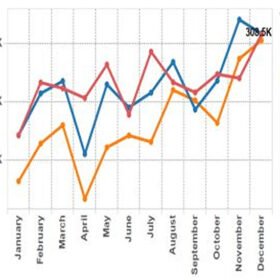
Australia’s rooftop solar market ends 2024 on high
Australia’s rooftop solar market finished 2024 on a high, with about 309 MW of monthly installations delivering one of the best December totals in recent years and putting the national trend back on the up.
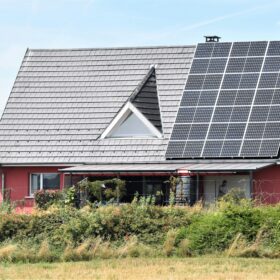
New rules allow VPPs to compete in Australia’s energy market from 2027
The Australian Energy Market Commission (AEMC) has released a final determination to allow virtual power plants (VPPs) to compete directly with large-scale generators in the energy market, scheduled to begin in 2027.

Australian renewables to dominate generation in nuclear future
The Australian opposition has released energy plan modeling showing nuclear power could be up to 44% cheaper than current government projections, while forecasting that renewable generation will continue to dominate electricity production.
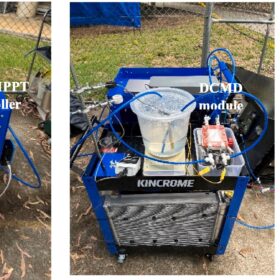
Desalination system based on PVT-driven membrane distillation
Scientists have designed a PVT-driven direct contact membrane distillation system for off-grid applications. The system is intended for desalination purposes in remote areas.
Australian regulator makes case for rooftop solar control mechanism
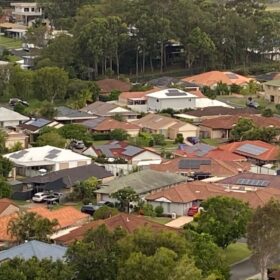
The Australian Energy Market Operator (AEMO) is pushing for the widespread implementation of “emergency backstop” measures to remotely switch off or dial down rooftop solar systems. It aims to manage the growing impact of distributed PV on the nation’s electricity grid.
Australia launches 6 GW wind, solar tender
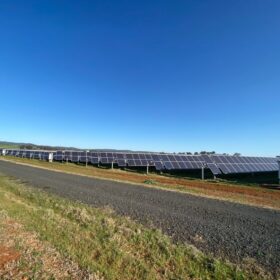
Registration has opened for the Australian government’s fourth Capacity Investment Scheme tender, which aims to underwrite contracts for 6 GW of new solar and wind projects.
Rooftop rollout drives impressive growth for Australian installers
Australia’s record uptake of rooftop solar is delivering significant benefits for some installers, with new analysis by industry consultancy Solar Nerds showing triple-digit percentage point annual growth rates for some companies.

Australia moves 1.4 GW of new solar, wind projects forward in Q3
Investment in large-scale renewable energy generation continues to trend upwards in Australia with more than 1.4 GW of new solar and wind projects, worth $3.3 billion, reaching financial commitment in the third quarter of 2024.
