US energy storage facility knocked offline after batteries overheat
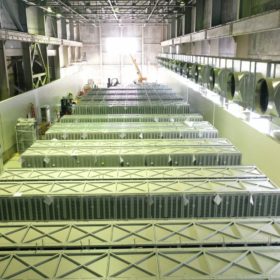
The Moss Landing Energy Storage Facility in California, which became operational in December 2020, has gone offline after overheating. The system features lithium-ion batteries from LG Energy Solution. Fire crews found scorched battery racks and melted wires.
Construction begins on UK’s largest storage project
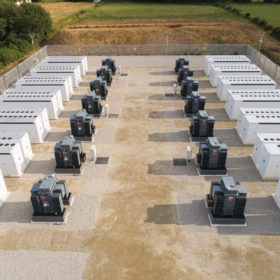
FRV, Harmony Energy, and Tesla are building a 99 MW/198 MWh facility in Essex. The system will rely on the Megapack solution from the U.S. manufacturer.
High-voltage non-aqueous hybrid flow battery with novel chemistry
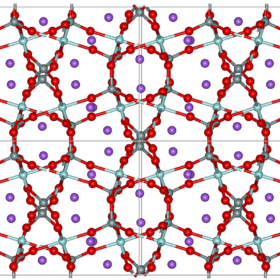
US scientists claim to have created a crossover-free, high-voltage, non-aqueous hybrid flow battery with a novel chemistry for the solid sodium anode. The device has shown a high working voltage of around 2.6 V and a coulombic efficiency of 95.0%.
VSUN reveals redox flow battery tech in Australia
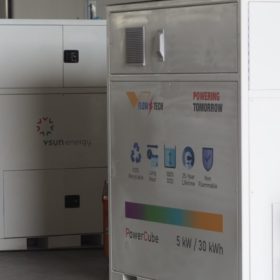
The suitability of vanadium redox flow battery technology for Australian residential and commercial applications will soon be tested, as Perth-based storage specialist VSUN Energy plans to deploy three 5 kW/30 kWh flow batteries.
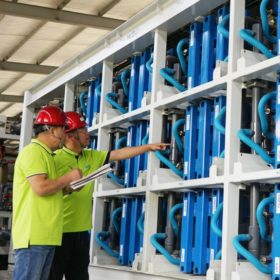
Work begins on 100 MW/500 MWh vanadium flow battery in China
The storage project is linked to a 1 GW wind and solar project portfolio, 500 MW of solar distributed generation, and the construction of a gigafactory for vanadium redox flow batteries in China.
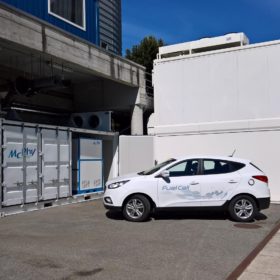
Vanadium-manganese redox dual-flow battery to store power, generate hydrogen
Conceived by Swiss researchers, the battery shows good stability over 50 cycles, with an average energy efficiency of 68% and a water-splitting voltage efficiency of 64.1%. According to its creators, the device produces pure hydrogen that only needs to be dried and compressed for optimal storage.
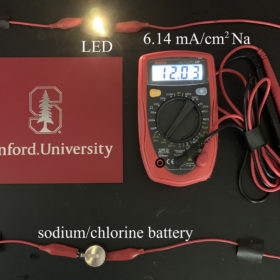
New alkali metal-chlorine battery promises 6x energy density
Scientists in the U.S. discovered a promising new battery chemistry based on chlorine and table salt. Batteries based on this chemistry can achieve at least six times the energy density of today’s lithium-ion batteries, according to the group that created it. The prototype battery could already be suitable for small devices such as hearing aids, and with further work could be scaled up to larger applications.
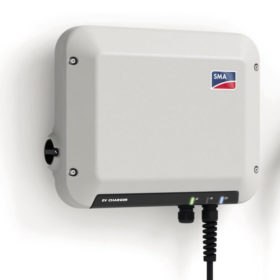
The weekend read: Electromobility meets battery storage
Now in its 10th year, pv magazine Deutschland has once again conducted its market overview of residential battery storage products. As the leading global distributed storage market, technology and application trends from Germany, including the shift to EV-charging integration, are enlightening for market participants throughout the world. Interestingly, price declines remain slow.

Cheapest long-duration storage for systems with high renewables
National Renewable Energy Laboratory researchers have studied which tech offers the lowest levelized cost of energy to provide the US Western Interconnection grid with electricity when wind and solar are not available. They assumed 85% renewables penetration and determined that geologic hydrogen storage and natural gas combined-cycle plants with carbon capture storage are the cheapest options for 120-hour discharge applications.
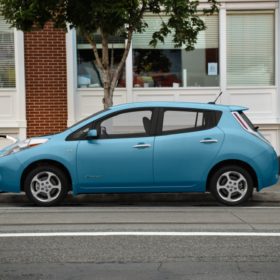
US company using 3D printers to make solid-state battery tech for EVs
California-based Sakuú Corp. has started work on a 2.5 MWh per year pilot facility to produce 3D-printed solid-state battery tech.
