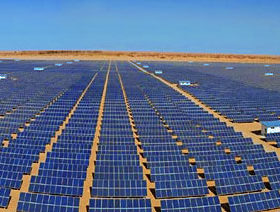
China electric utility attracts record low module price in 3 GW procurement
The state-owned State Power Investment Corp Ltd has received a bid of 25 cents per watt for monocrystalline panels in a tender to procure 3.04 GW of PV module capacity.

Risen shines: Manufacturer starts work on 2.5 GW cell and module factory
The Chinese manufacturer is forging ahead with a new gigafactory despite a regulatory decision last year which halted its plans to raise a significant chunk of the costs by issuing convertible bonds. Risen expects to be back on the upswing when it confirms its first-half figures.
Webinar Q&A: Simulating the gains of bifacial and tracking installations, where’s the rub?
Following up on the webinar held with Trina Solar about the new algorithms needed for bifacial and tracking installations, the word is that gains of 20-30% are not unlikely. To attain that, however, the sweet spot of front and rear side yield has to be reached. Trina has showcased a new algorithm alongside its bifacial n-type modules and claims it can do just that.

Canadian Solar signs power supply deal for biggest project in Alberta
The solar manufacturer and developer was racing to sell off a significant chunk of its late-stage portfolio by the end of last month to rebound after assuring investors the losses registered in the first quarter of this year would prove to be a one-off.
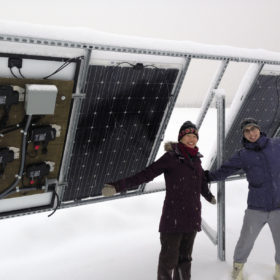
The weekend read: Pursuing a 20% bifacial boost
Research on bifacial solar panel performance has moved performance analysis closer to a standardized practice than ever before. More field tests are underway across the United States, and the first waves of data are expected this year. These tests will help standardize a predictive model for bifacial projects that is bankable.
Tunisian module maker Ifrisol to increase capacity to 750 MW
The manufacturer plans to add 350 MW of manufacturing capacity at its two sites in Tunisia by next year. The ramping up is due to new orders from India and other foreign markets.

Solar financing up but policy support is still crucial
Talk of ‘grid-parity’ and ‘subsidy-free’ solar has had industry figures cherishing the ideal of a sector that can operate free of the caprices of government but a peer behind the latest global PV funding figures demonstrates just how dependent on policy the solar industry remains.
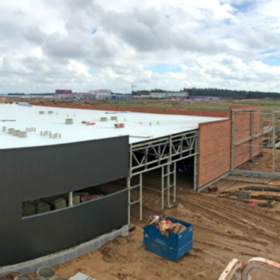
Recom announces construction of 300 MW module factory in Belarus
The German solar panel manufacturer – now based in France – says it is in the final phase of constructing a module factory to increase its European production capacity after a plethora of similar announcements across the continent.
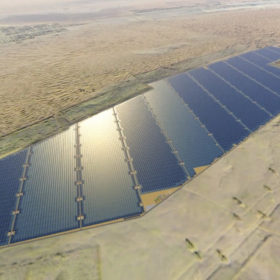
Jinko makes a convincing case as it upgrades mono capability
The Shanghai-based wafer, cell and module maker appears to be steering a steady course through a tumultuous period for the solar industry and its plans are another sign high-efficiency modules may soon have to do more to earn that label.

Talesun pivots Thailand fab towards sanctioned US market with high efficiency retrofit
The Chinese manufacturer has embarked upon an upgrade of 1.5 GW of its module production lines which is set to be completed this year. Previously used to get around trade restrictions applied by the EU, the Thai facility will now produce output for the U.S. market.
