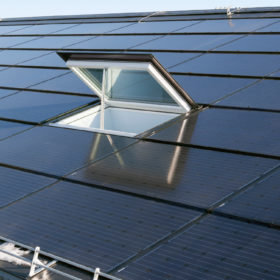
Switzerland provides additional $47m for solar incentives
The government wants to see off a potential slump in the PV market as a result of the Covid-19 pandemic. The increase means CHF376 million worth of rebates will be available for solar systems.

Negative energy price drives loss of Netherlands solar incentives
Negative energy prices for more than six hours mean the Dutch government will pay no renewables incentives under its SDE+ program for March 29. The plunging electricity price was caused by slumping demand for energy as restrictions were put in place to help prevent the spread of Covid-19.

PV-powered hand sanitizer wins Covid-19 hackathon
An ESA-backed hackathon raised the idea of turning end-of-life PV modules into hand sanitizers. The team that won the hackathon is now working to rapidly roll out the solution at scale to contain the Covid-19 spread.
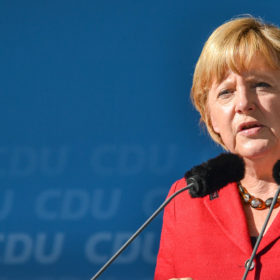
Covid-19 daily bulletin: Grim news from US and Australia but pandemic is not solely to blame
The U.S. solar industry experienced a wave of job losses last month and the public health crisis has driven foreign exchange losses which will jeopardize projects Down Under, but it is Angela Merkel’s government which is attracting the ire of German PV installers.
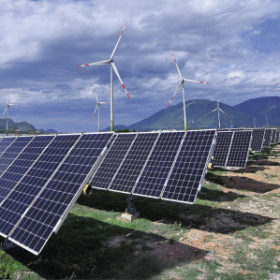
Covid-19 daily bulletin: Renewables squeezing out fossil fuels as energy demand plunges
Although the energy price recovered this week, ultra low levels driven by bumper solar power generation on a sunny weekend in Germany reportedly put further pressure on the business case for conventional energy.
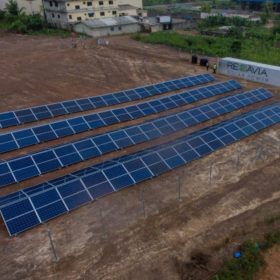
PV relief for sub-Saharan Africa amid Covid-19 pandemic
Solar support is on the way for businesses and communities struggling to cope as the coronavirus outbreak ripples across the continent.

Covid-19 daily bulletin: Renewables projects running at capacity in India
The nation’s Ministry of New and Renewable Energy has reiterated that clean energy projects have not been affected by falling electricity demand as a billion citizens have been ordered to stay at home.
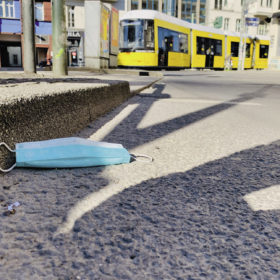
The weekend read: PV in the pandemic
“Unprecedented” appears to be a frequently used term to describe the Covid-19 crisis that the global economy, our societies and healthcare systems are now facing. And while outbreaks of severe and potentially life-threatening diseases have occurred at various stages in the modern age, our globally connected reality today means that the coronavirus could have impacts that are truly without precedent.

Covid-19 daily bulletin: Climate change, trade shows and hope
pv magazine rounds up the latest Covid-19-related stories likely to affect the world of solar and energy storage.
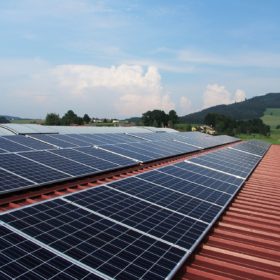
Portugal fast-tracks 30 MW of small solar to help hard-pressed businesses
The Ministry of Environment and Climate Action will permit 220 self-consumption projects with generation capacities of no more than 1 MW to be connected immediately. The usual long-winded permitting process has been side-stepped as the government seeks to enable financially-stricken enterprises to benefit from lower energy bills during the public health crisis.
