
U.S. authorities find no definitive evidence of hidden devices in Chinese solar inverters
New documents reveal US government found only two cases of communications in Chinese inverters that differed from official documentation. The discrepancies were deemed “non-malicious” and “non-intentional” by investigators.

Romania drafts cybersecurity rules for PV, cogeneration up to 1 MW
Romania plans to amend its energy law to require the National Cybersecurity Directorate (DNSC) to define technical standards for PV and cogeneration systems up to 1 MW, aimed at preventing data breaches and safeguarding grid operations.

Czech cybersecurity agency warns against Chinese solar inverters
Czechia’s cybersecurity office said Chinese solar inverters in small power plants are a potential security threat. The Czech solar association told pv magazine work needs to be done on incentivizing European manufacturing to resolve the reliance on imports.
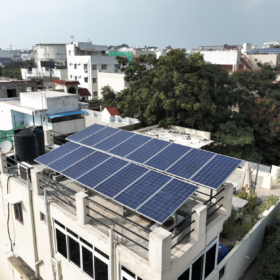
India mandates rooftop monitoring and inverter integration for 30 GW of solar
India’s renewable energy ministry has issued draft rules requiring all solar inverters installed under its 30 GW rooftop program to link directly to national servers, aiming to improve grid stability and cybersecurity. Industry groups back the plan but warn of high compliance costs, supply chain constraints, and uneven connectivity.

Netherlands increasing vigilance on solar inverter-related cybersecurity risks
The Dutch government said it remains vigilant on potential cybersecurity threats coming from solar inverters. It minimized, however, the risk of hidden hardware components in inverters and said these devices would be “easily detectable” by the Dutch authorities.

Danish energy sector probes removes concerns about solar involvement
A Danish trade group has ruled out any link between suspicious components found in local energy equipment and recent reports of compromised solar inverters in the United States, narrowing the scope of an ongoing cybersecurity investigation.
Hidden devices found in Chinese-made inverters in the US, reports Reuters
US officials are reassessing the risks posed by Chinese-made devices in renewable energy infrastructure according to news agency. Reuters cites two unnamed sources, who would only provide a few details.
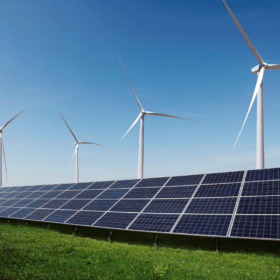
Cybersecurity: European solar power plants under pressure
A report by the European solar association SolarPower Europe highlights the cybersecurity challenges of PV installations in the European Union. A main concern are the vulnerabilities of connected inverters and data management via cloud services outside of Europe.

Lithuania bans remote Chinese access to solar, wind, storage devices
Lithuania has decided to tighten its cybersecurity laws, banning manufacturers from countries deemed national security threats, including China, from remotely accessing management systems of solar, wind, and storage facilities. The European Solar Manufacturing Council has backed the move.

What happens when malware hits PV systems
A random malware variant affected about 800 remote monitoring devices at ground-mounted PV plants in Japan in May 2024. Tokyo-based cybersecurity firm Girasol Energy has told pv magazine what happened and how PV asset owners can protect themselves against such incidents.
