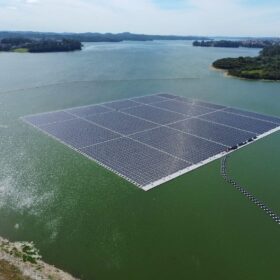
Sao Paulo inaugurates 7 MW floating solar plant
The government of Sao Paulo, Brazil, says that a new 7 MW floating solar project on a reservoir in the megalopolis is the first phase of a 75 MW facility that will be completed in 2025.
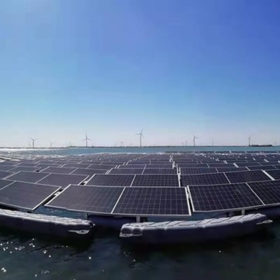
China’s floating PV potential estimated at 862.6 GW
Researchers from China looked at 875 reservoirs in the country and found that the potential annual power output for floating PV technology could reach up to 1,423.8 TWh.
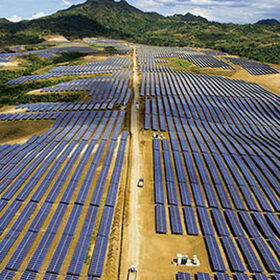
Solar Philippines begins working on 4 GW solar park
Solar Philippines says it has broken ground on what it touted to be the world’s largest solar array – a 4 GW solar park spread across 3,500 hectares of land in the northern part of the country.
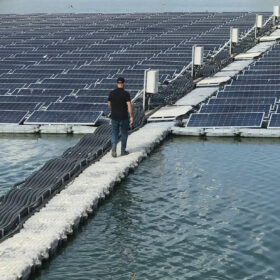
Topography-induced shading on floating PV
Researchers in Turkey have studied the impacts of topography-induced shading on floating PV at the Ayvalı hydroelectric power plant and have identified differences between the regions with the highest and lowest electricity production potential.

Recent ‘auction success’ in Ireland, UK comes with challenges, consultants say
Almost 2 GW of solar was tendered in the latest UK Department for Energy Security and Net Zero auction, while almost 500 MW was recently awarded in the latest auction round spearheaded by Irish power transmission operator EirGrid. But these gains come with five challenges, according to analysts from New Zealand-based consultancy firm PSC.
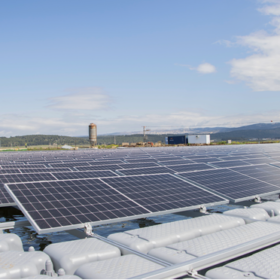
Mibet launches floating PV array system for offshore applications
Mibet, a Chinese mounting system supplier, says its new G5 product is capable of withstanding wind gusts of more than 60 meters per second. It uses high density polyethylene floats and aluminum alloy support legs.
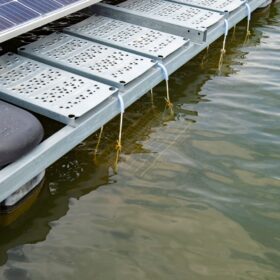
Floating solar positively affects aquatic environments, says BayWa re
German renewable energy developer BayWa re has collected scientific data on aquatic fauna, water quality, and avifauna from several environmental impact monitoring studies on eight of its operational floating PV facilities in Europe. It has found the artificial habitats under the panels offer protection to some animal species and improvements to water quality.

Weekend Read: Famine to feast – China’s solar market in 2023
China’s solar industry rebounded in 2023 after years of pandemic-related sluggishness. As the year draws to a close, pv magazine looks back at key highlights of 2023 and considers the prospects for 2024.

Bolivian wildfires, El Niño impact South American PV irradiance
In a new weekly update for pv magazine, Solcast, a DNV company, says that irradiance patterns across South America last month were impacted by moisture from El Niño, high pressure and the Andes – but smoke from Bolivian wildfires presented an “anomaly.”
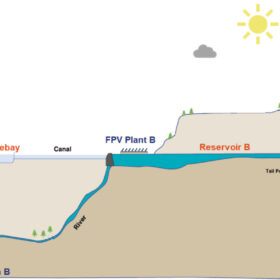
Batteries in hybrid hydro-PV systems could increase profitability by 2%
Researchers from Norway have discovered that adding batteries to projects that combine hydropower and floating PV could increase annual profits by as much as 2%, due to revenues from ancillary services and capacity markets.
