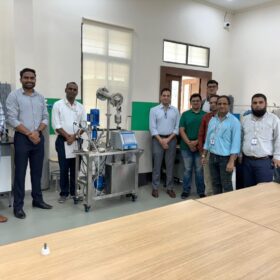
Indian researchers develop stable liquid hydrogen transport system
Researchers at MIT World Peace University (MIT-WPU) in India have developed a liquid organic hydrogen carrier (LOHC) system that enables hydrogen to be transported in a stable liquid form. The system is non-flammable, non-explosive, and can be handled at normal temperatures and pressures.
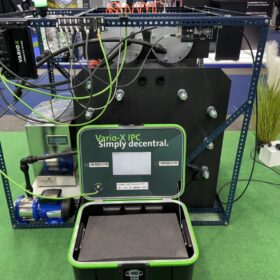
Táctica Industrial unveils off-grid PV system for modular green hydrogen
Spanish renewables specialist Táctica Industrial says its off-grid photovoltaic system produces green hydrogen at about €400 ($470)/kW using modular alkaline electrolysis without inverters or grid connection.
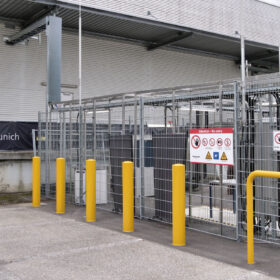
Panasonic testing PV-driven hydrogen platform in Germany
The Japanese conglomerate has deployed its Panasonic HX hydrogen solution at its facility in Munich. The system uses an AI-based energy management system that reportedly makes battery storage unnecessary.
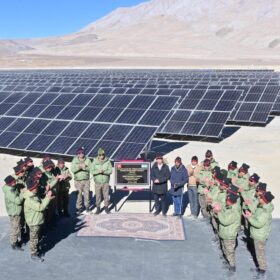
NTPC commissions solar-hydrogen-based microgrid in India
NTPC has developed a standalone solar microgrid system that uses hydrogen as the storage medium to deliver 200 kW of round-the-clock power throughout the year. Designed to replace diesel gensets at off-grid Army locations, the system provides a reliable and sustainable power supply even in harsh winter conditions, where temperatures can drop to –40 C at an altitude of 4,500 meters.

When solar meets next-gen nuclear
Scientists in China have proposed a novel scheduling framework for microgrids based on hybrid PV and a small modular nuclear reactors. The framework uses multi-objective distributionally robust optimization with a real-time reinforcement learning mechanism and is reportedly able to reduce operational costs by 18.7%.
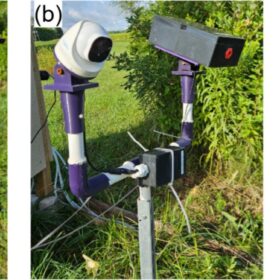
Open-access, modular monitoring platform for multi-year outdoor PV testing
A team of researchers in Canada has developed the Jericho Open Resistive Data Logger—an open-access photovoltaic (PV) monitoring platform that integrates data acquisition and processing hardware, a software framework, and a comprehensive sensor array. Designed primarily for agrivoltaic applications, the system has a total estimated cost of around $2,000.

Bosch starts up 2.5 MW hydrogen electrolyzer in Germany
German industrial group Bosch says the Bamberg facility complies with European Union renewable hydrogen rules and will produce over one ton of green hydrogen daily.

Chile commissions PV-driven hydrogen plant
Chile’s Colbún has started operations at a solar-powered green hydrogen unit at its Nehuenco thermoelectric complex, replacing fossil-based hydrogen used in generator cooling.
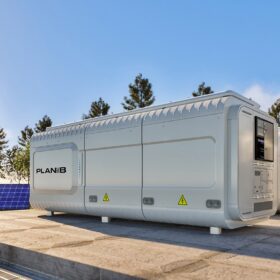
Plan-B Net Zero combines battery storage and hydrogen storage in new concept
The Swiss startup presented the battery plus hydrogen idea to a Symposium this week.

Seven projects pulled from EU hydrogen fund
The projects, equivalent to 1.88 GW of electrolyzer capacity, were withdrawn after choosing not to continue with the agreement procedure or for being unable to provide a signed completion guarantee. As a result, ten hydrogen projects representing 774 MW in capacity from the reserve list have been invited to prepare grant agreements.
