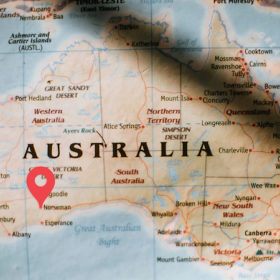
‘Historic’ 50 GW renewable hydrogen hub proposed for Australia
InterContinental Energy and CWP Global have proposed the use of 50 GW of solar and wind to annually produce either 3.5 million tons of green hydrogen or 20 million tons of green ammonia. The proposal follows the Australian federal environment minister’s recent rejection of environmental approvals for the 26 GW Asia Renewable Energy Hub.
New research points to cheaper green hydrogen by 2030
New modeling by Monash University researchers has shown that the cost of green hydrogen with solar PV could satisfy the Australian government’s economic stretch goal of AUD 2 ($1.50) per kilogram by as early as 2030.
Five policies to make green hydrogen affordable in Europe – for just €24bn per year
With the EU carbon price sat at record highs of around €50/ton, the authors of a report into the policies needed to drive a clean hydrogen economy in Europe say the storage medium won’t compete with its fossil fuel powered version even if carbon allowances cost four times that level.
The Hydrogen Stream: Ineos to invest £25m in HydrogenOne fund as Shell fires up its 10 MW electrolyzer
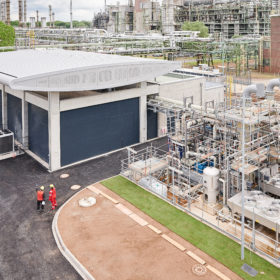
Plus, the Norwegian government is set to devote €2.5 million into a joint venture trying to develop liquid organic hydrogen carrier solutions for shipping by the middle of the decade.

The Hydrogen Stream: Chile and Germany join forces to develop viable green hydrogen projects
Furthermore, Texas oil field services company Baker Hughes and engineering, procurement and construction company Samsung Engineering have announced a collaboration with regards to low to zero-carbon projects utilizing carbon capture, utilization and storage (CCUS) and hydrogen technologies.
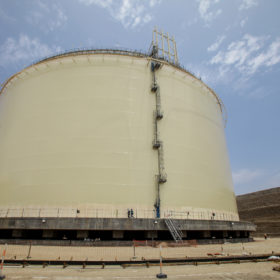
LNG and hydrogen – untangling a complex relationship
Six industry experts recently spoke to pv magazine about the relationship between LNG and hydrogen.
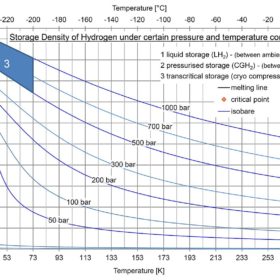
New tool to evaluate economic benefits of hydrogen storage
Developed by U.S. scientists, the Hydrogen Energy Storage Evaluation Tool (HESET) can assess the economic and technical characteristics of individual system components and the modeling of each hydrogen pathway. Furthermore, it can help understand how hydrogen storage can be used for various grid and end-user services.

Roundtables Europe Video: Solar opportunities in hydrogen, battery storage, and electromobility
Innovations in green hydrogen are developing at a fast pace. This presents new questions like where are the markets, how fast will they come, how can we ensure hydrogen is green and cost-efficient, and what needs to be considered by project developers when planning related business models? And, at the end, will there be an opportunity for market players coming from the solar sphere? Watch our final Roundtable Europe video to find out.

The Hydrogen Stream: 45 GW project in Kazakhstan, new push from Norway
German project developer Svevind Energy and Kazakh Invest wants to build a 45 GW green hydrogen complex in Kazakhstan. Norwegian companies Equinor, Aker Group and Saga Pure announced separate plans to further develop their green hydrogen solution.
New renewables cheaper than legacy coal or gas for almost half the world’s population
Electricity bill payers in nations as diverse as Germany, Greece, India and China should be aware new solar projects can now generate electricity cheaper for them than legacy coal and gas-fired plants.
