
UK startup launches AI air-source residential heat pump
UK-based Wondrwall says its new heat pump has a coefficient of performance of up to 4.99, with an inlet-outlet temperature of 30 C to 35 C. The system is based on the company’s AI-powered Home Energy Management System (HEMS) to efficiently manage household energy flows.

Aira launches residential heat pump with minimalist design
The Sweden-based heat pump provider said its new product is one of the slimmest and most compact system available on the market to date.

What does the UK budget mean for solar, storage?
Spending commitments outlined by UK Chancellor Rachel Reeves include investment in planning departments, more funds for heat pump grants, confirmation of funding for commercial hydrogen projects, and more cash for the Department of Energy Security and Net Zero.
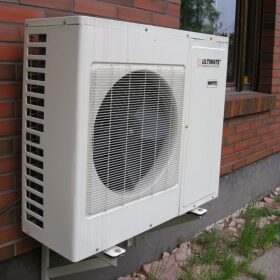
As more buildings use heat pumps, four technologies can provide grid support
Wider use of electric heat pumps to heat buildings creates a larger market for renewable energy, but also presents challenges, which can be met through building insulation and weatherization, cold climate heat pumps, thermal energy storage systems, and higher-voltage distribution grids, a report says.

Strategies to ease US grid strain as electric heat pumps boost renewables
Wider use of electric heat pumps to heat buildings creates a larger market for renewable energy, but also presents challenges, which can be met through building insulation and weatherization, cold climate heat pumps, thermal energy storage systems, and higher-voltage distribution grids, according to a new report by Energy Systems Integration Group (ESIG).
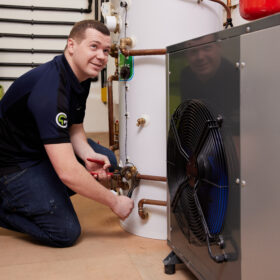
Record year for UK heat pump installations as installer numbers surge
Certification scheme MCS records another record-breaking year for heat pump installations in the United Kingdom, as well as the highest number of certified contractors on record. MCS Head of Scheme Alex Hughes discusses solar, storage and heat pump trends with pv magazine.
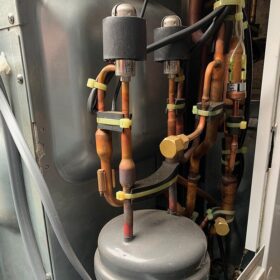
Climate data-based methodology for residential air-source heat pump sizing
A European research team proposed a new air-source heat pump sizing approach that utilizes long-term climate data and adjusts system operation based on actual local climate conditions. The sizing algorithm incorporates peak heat demand, unitary final energy demand, and seasonal heat demand across different house sizes.

With or without PV, air-source heat pumps are among cheapest residential heating sources
New research from Germany shows that identifying the cheapest residential heating source remains challenging, as the final results depend on the assumptions made and energy prices. The scientists, however, demonstrated that air-water heat pumps and gas heating systems are currently the most cost-effective solutions.
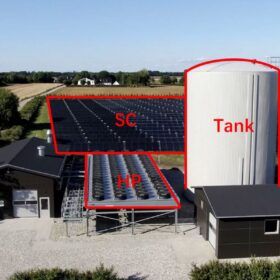
Air-to-water heat pump for solar-assisted district heating
Researchers in Denmark have found that using a large-scale air-to-water heat pump in solar district heating may significantly reduce its levelized cost of heat. The proposed system configuration was simulated for an existing district heating plant in Denmark and was found to improve the flexibility of the system in response to energy prices.

UK startup unveils industrial heat pump for hot water, steam generation
Futraheat has developed a 300 kW/1.5 MW heat pump that can reportedly deliver steam up to 130 C and reach a coefficient of performance of 6.2. The first prototype was deployed at a brewery in Sussex.
