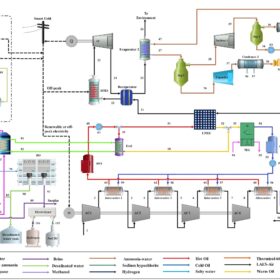
PV-powered liquid air system yields hydrogen, heating, fresh water
A global scientific team has designed a novel multigeneration system based on renewable energy and liquid air energy storage, then used soft computing techniques to optimize its operation. The optimized levelized costs of hydrogen (LCoH) were $1.52/kg and $5.22/m³.
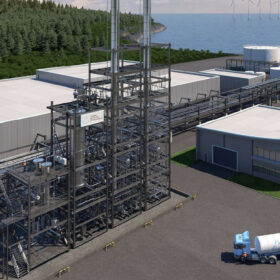
Scientists see potential for 3,000 PV-powered methanol sites in Europe
Researchers have analyzed the potential implementation of green methanol from CO2 capture in existing industries, based on European GIS data. While they found 9,213 theoretically viable municipalities, the number fell to 3,016 when considering the space needed for a PV installation around the plant.
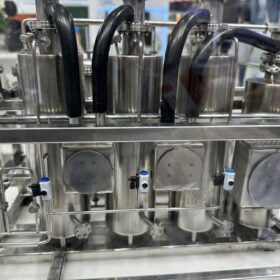
Integrated risk-cost framework for DC-coupled PV-electrolyzers
Scientists in Austria have conducted a risk analysis for four setups for coupled PV-electrolyser systems, and tested them under three use cases. They calculated failure probability as well as the levelized cost of hydrogen and its risk-weighted variant.
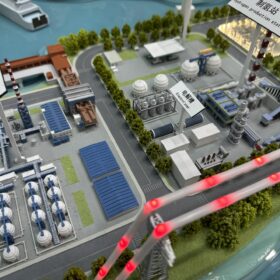
Solar hydrogen could be produced at 4.23$/kg in Saudi Arabia
New research from Saudi Arabia shows that PV, concentrated solar power (CSP), or hybrid PV-CSP systems could significantly reduce the levelized cost of hydrogen. CSP offers higher capacity factors, but PV-driven electrolysis provides the lowest projected cost for hydrogen production.
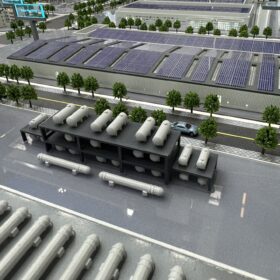
Green hydrogen remains ‘prohibitively’ expensive in Africa
A European research team has assessed the levelized cost of hydrogen across 31 African countries and has concluded that importing green hydrogen from Africa to European is economically unfeasible by 2030, with prices ranging from $10.2/kg to $3.8/kg.

Simultaneous optimization of plant design and control unlocks cost-competitive green hydrogen
Achieving cost-competitiveness for green hydrogen produced via water electrolysis using intermittent renewable energy sources remains a significant challenge. Researchers from LUT University in Finland have shown that considerable cost reductions can be achieved by simultaneously optimizing plant control and design, based on specific hydrogen demand targets and local weather conditions.
Cost optimization and competitiveness in green hydrogen: Critical factors and determining variables
Through a rigorous approach, with more than 4,000 simulations and a detailed analysis of each scenario, Enertis Applus+ offers a roadmap for understanding where, how, and under what conditions green hydrogen can be produced at competitive costs.
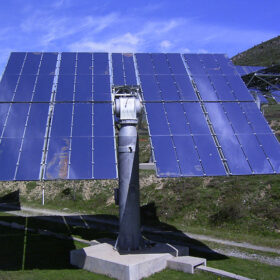
CSP-driven multigeneration system combines hydrogen generation with compressed air, pumped hydro storage
Researchers have designed a novel multigeneration energy system that provides five outputs, namely electricity, hydrogen, cooling, heating, and hot water. The system is mainly powered by a solar heliostat system and incorporates compressed air and pumped hydro storage technologies for storing surplus power.
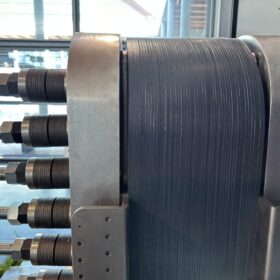
Unpacking the rationale behind low bids in the EU green hydrogen tender
BloombergNEF and Wood Mackenzie analysts spoke with pv magazine about the EU’s €992 million ($1.04 billion) hydrogen tender that drew record-low bids thanks to strong design incentives. They outlined the factors behind the tender’s competitiveness but cautioned that not all awarded projects may move forward.

Eskom tenders green hydrogen pilot in South Africa
South African utility Eskom is searching for a developer to engineer, procure and construct a renewable green hydrogen facility at its research unit in Johannesburg. The deadline for applications is June 27.
