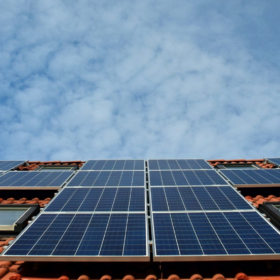
Rethinking module geometry to expand rooftop solar capacity
Rethinking module geometry beyond the traditional rectangle could increase rooftop PV capacity on irregular buildings by improving packing efficiency and expanding placement options.
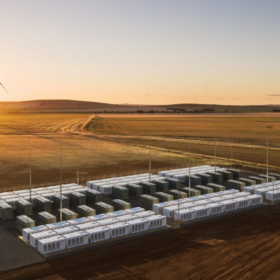
Global utility-scale battery capacity rises 12-fold in 2020-24 period
The global capacity of utility-scale batteries increased more than 12-fold between 2020 and 2024 to 124 GW, while average battery costs fell 58% over the period, according to the Electricity 2026 report from the International Energy Agency (IEA).
US government withdraws defense of solar tariff pause
The US Department of Justice (DoJ) has withdrawn from defending the executive order that paused certain tariffs on imported solar components, leaving private industry groups and companies to continue the appeal. The withdrawal increases legal uncertainty over potential retroactive duties tied to imports from Cambodia, Malaysia, Thailand, and Vietnam.
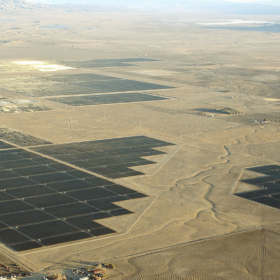
California water district plans up to 21 GW of solar on fallowed farmland
A California water district has adopted a long-term plan to develop up to 21 GW of solar generation on agricultural land fallowed due to water shortages.
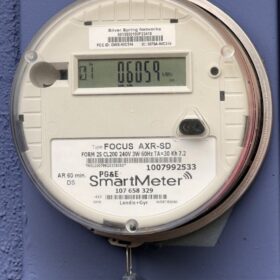
Utilities risk penalizing efficiency by shifting to fixed charges
Shifting utility costs from usage rates to fixed monthly fees may penalize efficiency and fail to provide the financial incentive necessary to drive widespread electrification.
Distributed PV employment globally outpaces utility-scale solar, says IEA
The latest edition of the International Energy Agency’s (IEA) World Energy Employment report found employment in the PV sector surpassed 5 million in 2024, with distributed solar accounting for two-thirds of all solar employment globally, despite representing only 43% of installed capacity.
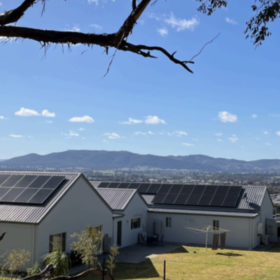
Australia installs 5.2 GW of solar in 2024
The International Energy Agency (IEA) says that Australia installed 5.2 GW of solar capacity in 2024, bringing the national total to 40 GW across distributed and utility-scale systems.

IEA says cost of capital for solar remains high in Southeast Asia
The International Energy Agency (IEA) says the cost of capital for solar remains higher in Southeast Asian countries than it does in other emerging and developing economies.

US solar module prices rise in Q3 amid policy-driven demand
US solar module prices climbed in the third quarter of 2025 as developers accelerated purchases to meet federal tax credit deadlines and navigate import restrictions.
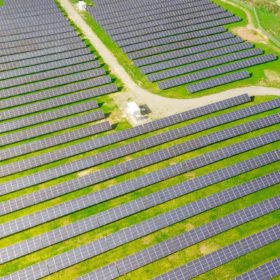
Global electricity demand to rise in 2026 as renewables lead, says IEA
Global electricity demand is set to rise more than 3% per year through 2026, driven by growth in Asia and greater use across industry, data centers, and transport, with renewables, gas, and nuclear meeting most of the increase, says the International Energy Agency (IEA).
