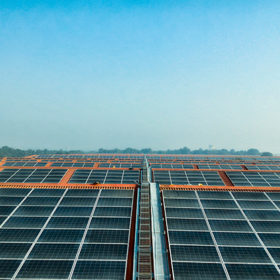
India to add 16.8 GW of solar in 2023
JMK Research says it expects India to install 14 GW of new utility-scale solar capacity and 2.8 GW of rooftop PV in the 12 months to Dec. 31, 2023.
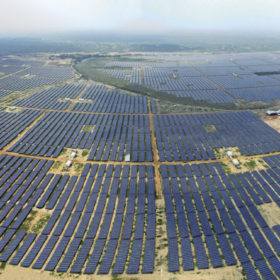
India launches 2 GW solar tender
Developers have until May 10 to submit bids to set up 2 GW of solar capacity anywhere in India, as long as the installations are connected to the interstate transmission system. The projects will be developed on a build-own-operate basis.

Indosol, Reliance win incentives for poly-to-module manufacturing
Eleven companies in India have emerged as the winners of the second round of the production-linked incentive scheme for high-efficiency solar modules. In particular, Indosol, Reliance, and First Solar have secured incentives for fully integrated production.
India exempts some solar projects from domestic content requirements
India’s Ministry of New & Renewable Energy (MNRE) has exempted solar projects from domestic content requirements if they are commissioned by March 31, 2024. The move provides developers with the flexibility to source modules at more cost-competitive rates, according to Indian ratings agency ICRA.

Adani commissions world’s largest hybrid wind solar power plant
Adani Green Energy Ltd has commissioned a 700 MW hybrid wind solar facility in the Indian state of Rajasthan. The plant is selling power under a 25-year power purchase agreement at INR 3.24 ($0.039)/kWh.
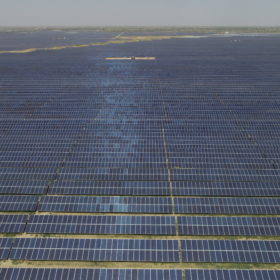
India Ratings maintains stable outlook for solar projects
India Ratings and Research says solar projects continue to operate in a stable manner, with adequate debt service coverage and comfortable internal liquidity. The fall in module prices over the six months to February 2023 is positive for under-construction projects, it claimed.
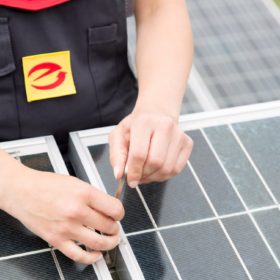
Germany trying to attract ‘solar workers’ from India
The German Solar Industry Association and the Indian Skill Council for Green Jobs signed an agreement in Delhi on the weekend, marking German Chancellor Olaf Scholz’s visit to India.

Emmvee starts building new solar cell, module factory
Emmvee Group is building a 1.5 GW cell production line with 1.75 GW of integrated PV module capacity in India. The new facility will expand its overall module capacity to 3 GW.

Coal India tenders 20 MW of captive solar
CIL Navikarniya Urja, a unit of Coal India, has tendered an engineering, procurement, and construction (EPC) contract for a 20 MW, grid-connected solar plant for captive consumption in India.

Guidelines for pumped storage projects in India
India’s Ministry of Power has released draft guidelines to support concessional climate finance and the use of exhausted coal mines as sites for pumped storage projects.
