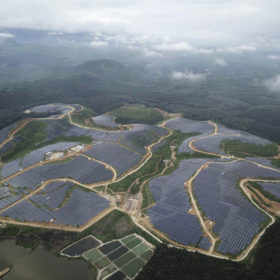
Machine learning for predictive maintenance in large-scale PV plants
Scientists have developed a machine-learning model – utilizing K-Means and long short-term memory techniques – that aims to overcome ‘fault detection and classification’ in the operation and maintenance of large-scale solar PV farms.
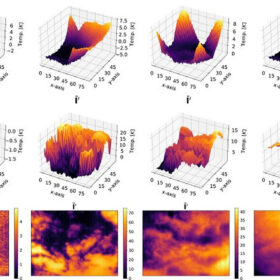
Integrating sky images, global solar irradiance into solar forecasting algorithms
A research team in the United States has created a novel approach to integrate raw sky images and global solar irradiance measurements, solar nowcasting, and intra-hour forecasting. The methodology utilizes low-cost radiometric IR cameras instead of expensive ceilometers.

Training deep machine learning to identify PV, solar thermal systems in aerial images
A Swedish research group has found that using deep machine learning to identify solar energy systems in aerial images may not be so accurate in non-densely populated countries such as Sweden. They have also found, however, that this technique may be trained via an iterative process and achieve satisfying results.
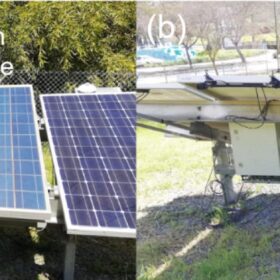
Machine learning keeps solar one step ahead of soiling
Scientists in Cyprus evaluated six different models used to predict the power losses caused by the accumulation of dust, dirt, and other substances on the surface of PV panels in the island’s arid climate. Results from the various models were compared with soiling loss data from a “test bench” installation at the University of Cyprus in Nicosia, revealing a potential advantage for machine-learning approaches backed by satellite data.
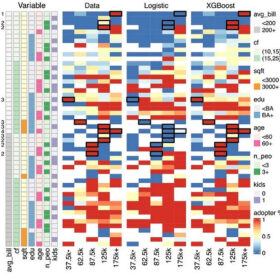
Machine learning method to identify residential PV adopters, reduce soft costs
Researchers have defined a new machine learning-based methodology that reportedly reduces customer acquisition costs by about 15% or $0.07/Watt. It is based on an adapted version of the XGBoost algorithm and considers factors such as summer bills, household income, and homeowner’s age, among others.
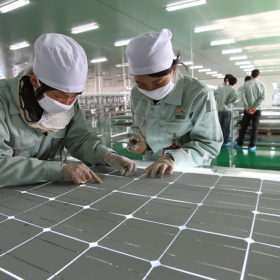
AI method learns from experienced staff on perovskite solar production lines
Academics from MIT and Stanford who have posited a new production method for perovskite solar cells have also developed a machine learning system which benefits from the experience of seasoned workers – and they’ve posted it online for anyone to use.

Climate Change AI unveils US$2 million grant program
Artificial intelligence is already demonstrating its climate change chops, for example by analyzing satellite images to better detect and monitor methane leaks from fossil fuel infrastructure.

Canadian Solar invests in British ‘merchant battery’ AI company
Oxford-based Habitat Energy uses machine learning algorithms, artificial intelligence (AI) and its own trading platform and software to maximize profits from utility scale storage facilities. A Canadian Solar statement about the arrangement, issued today, contained no financial details about the co-operation.

No bifacial solar in West Africa? That’s likely to change soon
A technology-focused event held by the Africa Solar Industry Association has heard development pipelines across the continent are swiftly changing to accommodate double-sided PV panels, and that’s good news for solar tracker providers too.
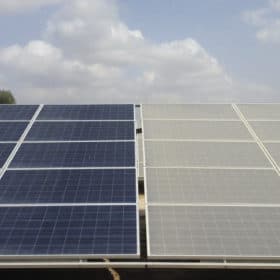
AI identifies a $14bn solar problem
How do you know when an inverter or module is under-performing? Monitoring services should shed light on problems but AI-driven digital asset manager Raycatch says much information is hidden behind a wall of “noise.” Breaking that wall with advanced data analysis could unlock billions of cost savings.
