
Key takeaways from Poland’s Enex Expo
The record-breaking size and bustling halls of Enex Expo showed that the Polish PV market has no intention of slowing down. While last year’s switch from net metering to net billing is expected to continue to reverberate through the residential solar market, the commercial and industrial (C&I) and utility-scale PV market segments stand ready to pick up the slack.
Pakistani regulator backtracks on amendments to net-metering tariff
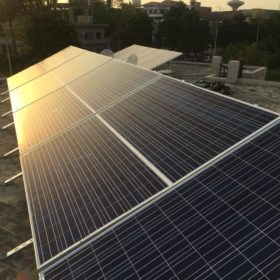
Amid fierce public opposition, Pakistan’s National Electric Power Regulatory Authority (Nepra) has decided not to proceed with proposed amendments to its 2015 net-metering regulations. Nepra originally planned to reduce the tariff paid to net-metered households from PKR 19.32 ($0.072)/kWh to PKR 9/kWh.

Dutch parliament approves proposal to phase out net metering
The House of Representatives of the Netherlands has voted to end net metering. If the Dutch Senate approves the proposal, it could usher in a new era for rooftop PV, with storage becoming crucial for the country’s energy transition.
Community solar up, net metering down in US this year
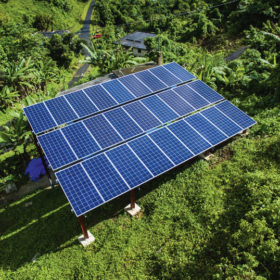
Five US states will introduce community solar programs in 2023. Net metering continues to be challenged, but flexible financing may offer a competitive edge, says Wood Mackenzie.

Will Africa be left behind in the scramble for renewables?
Buoyant predictions about a rosy future for African photovoltaics, based on the continent’s abundant solar resources, continue to overlook the difficulties of securing investment, as Empower New Energy co-founder and CEO Terje Osmundsen explains, referring to a report published by the Africa Solar Industry Association at the World Future Energy Summit in Abu Dhabi today.

Weekend Read: Imminent comeback, imminent trouble
Once a European leader in PV deployment, the solar market in Czechia has slumbered for the last decade. Now, with growing public support and financing in place, momentum is building and a gigawatt-scale pipeline is taking shape. However, fresh challenges loom, as Marija Maisch reports.
California pulls plug on rooftop solar
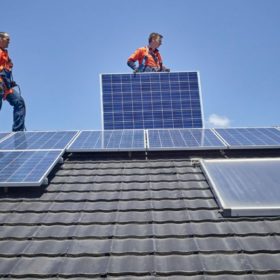
The California Public Utilities Commission has approved Net Energy Metering 3.0 and has slashed payments to send rooftop solar electricity to the grid. New rooftop solar projects are now considered uneconomical without attached batteries.

Weekend Read: Can Lula deliver on Brazil’s solar hopes?
Brazil’s newly elected government, under Luiz Inácio “Lula” da Silva, will face energy-transition and decentralization issues during critically important years in the fight to curb climate change. Livia Neves reports from Rio de Janeiro.
Weekend read: Back to the future: Israel’s faith in FITs
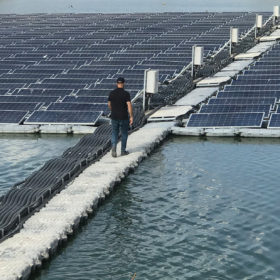
Israel’s scarce land resources and lack of interconnections to neighboring countries have driven the rise of rooftop solar. Now a number of recent policy changes, mainly due to electricity reforms, are set to reinforce the decentralization trend, reports Ilias Tsagas.
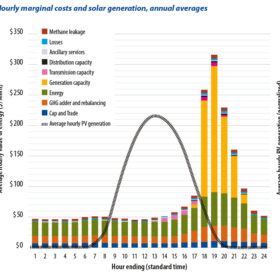
Regulator could prove solar’s NEMesis
The latest attempt by the California Public Utilities Commission – CPUC, the US state’s regulator – to reform net metering rules, seems to again be solely motivated by the desire to kill off rooftop PV, as energy economist Ahmad Faruqui reported in the latest issue of pv magazine.
