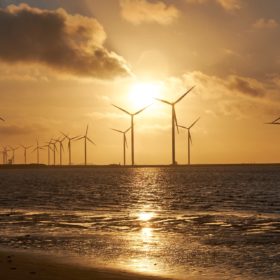
Offshore floating PV may reach maturity in 2030
According to a report from DNV GL, the North Sea may host around 100 MW of floating solar capacity by 2030, and 500 MW by 2035. The LCOE of offshore PV systems is currently estimated at around €354/MWh but in the future it should be close to that of ground-mounted solar parks.
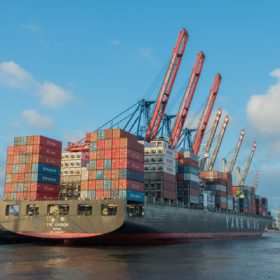
EU says Netherlands must pay €659m for evading anti-dumping duties on solar panels
The Netherlands has allegedly evaded anti-dumping and countervailing duties imposed on solar imports from China, Taiwan and Malaysia between May 2015 and March 2017, according to the European Commission. The Dutch government said the claims from Brussels are not justified.
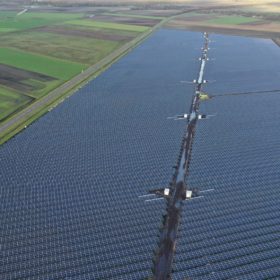
Chint energizes 152 MW of solar in the Netherlands
The three solar parks are located across the Dutch provinces of Groningen and Drenthe.
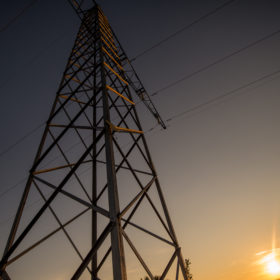
Solar parks in Netherlands to be connected at 70% of their peak capacity
The Netherlands’ renewable energy sector has reached an agreement with the country’s grid operators and power providers for a faster grid connection of solar parks. PV plant operators will be able to connect their projects at 70% of their capacity and, in turn, they will be allowed to connect them without having to wait for more grid availability.
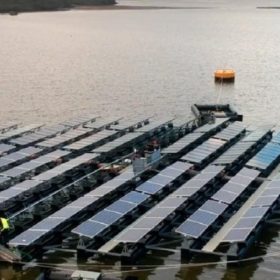
‘Floating PV systems are storm-resistant’
Netherlands-based Floating Solar says its pilot floating PV project at the port of Rotterdam has been able to withstand four severe storms.
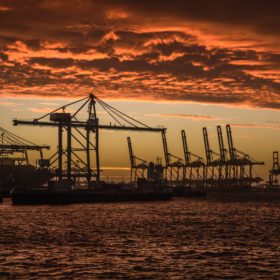
Netherlands wants to create hydrogen trade platform
The Dutch government is planning to initially create local trading points, a system for guarantees of origin, and a hydrogen price index.
Portuguese green hydrogen for the Port of Rotterdam
The Portuguese and Dutch governments want to connect the hydrogen project of Sines to the Port of Rotterdam and to develop a strategic export-import value chain to ensure the production and transport of green hydrogen to the Netherlands and its hinterland.
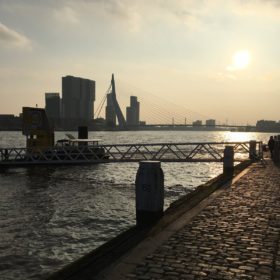
Netherlands allocates 3.44 GW of PV in spring round of 2020 SDE+ program
The Dutch government awarded 3.91 GW of renewable-energy capacity in the program’s latest round. It set aside €4 billion for the exercise, but only used €3.3 billion, including €2.1 billion for PV.
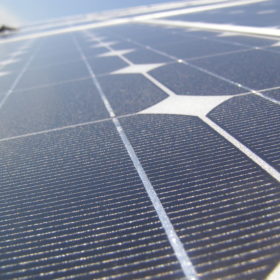
Netherlands’ largest power provider wants to connect new solar parks to 75% of their peak capacity
Liander said its new plan may result in savings ranging from €1.4 billion to €1.8 billion. Possible losses for PV power producers are estimated at a maximum of 3% of their electricity production per year. If implemented, this new measure would push PV project developers to rely on underdimensioned inverters.
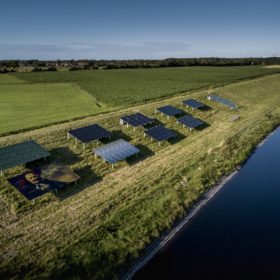
Challenging plans to deploy PV on dikes
Dutch researchers are trying to determine whether large-scale PV projects can be deployed on flood-control dikes across the Netherlands. A 5 MW solar project has already been built on a dike near Groningen, but the researchers believe there is potential to build up to 2.9 GW of PV on such embankments.
