
Estimating potential-induced degradation in PV systems used for water pumping
Researchers in Spain have developed a new method to estimated potential-induced degradation (PID) in solar modules used in PV-driven water pumping systems. The proposed approach can detect PID from the open-circuit voltage measurement of the system’s PV module strings.
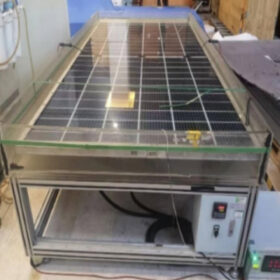
New method to predict potential induced degradation in glass-glass TOPCon solar modules
A research group led by Chinese manufacturer Trina Solar has outlined a new approach to predict potential induced degradation (PID) in dual-glass solar panels under multiple typical field conditions. The novel methodology is claimed to facilitate simultaneous PID and light exposure.
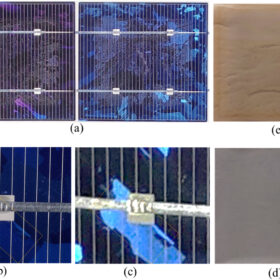
Keep your solar cells dry
Scientists in Norway used various imaging and characterization techniques to analyze the cells and other components of silicon PV modules that had been installed in the field for more than 10 years. The group’s aim was to isolate the role of moisture in various mechanisms that cause performance loss over time, and to understand how these mechanisms progress over long-term installation in real outdoor conditions.
Key takeways from SiliconPV 2023
The annual SiliconPV Conference came to TU Delft in the Netherlands last week and offered an important health check for the science and technology behind solar energy. pv magazine was on site to hear the latest from researchers reaching for higher efficiency through tandem cells and other innovations, and working to cut down solar technology’s consumption of rare and expensive materials.
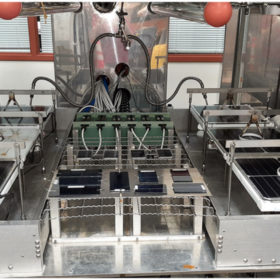
Putting bifacial modules to the test
US scientists recently put different bifacial solar cells and modules through a series of tests at elevated temperature, humidity, voltage and mechanical stress levels. The tests revealed a range of light-induced and potential-induced degradation mechanisms that modules will likely suffer in the field.
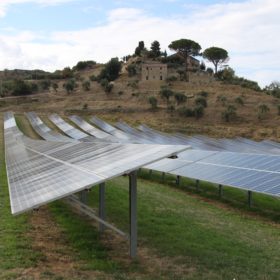
Quantifying loss-mitigating effects of PV warranty insurance
German consultancy VDE Renewables and global reinsurer Munich Re have outlined an approach to quantify the impact of risk mitigation measures applied to PV projects, as well as the advantages that may be derived by relying on an insurance solution. Risk mitigation expert Ulrike Jahn has spoken with pv magazine on how the new approach was shaped and what kind of performance issues should be taken into account by PV asset owners.
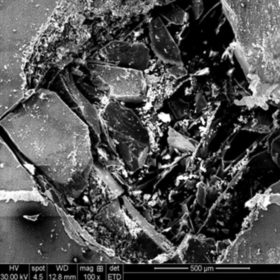
Multiple effects of potential-induced degradation on solar module performance
UK researchers have analyzed the multiple effects of PID on 28 modules at an outdoor testing field. The novel approach considered all multiple PID effects through a comprehensive analysis, which included power losses, hotspots, mm-level defects, and the performance ratio.
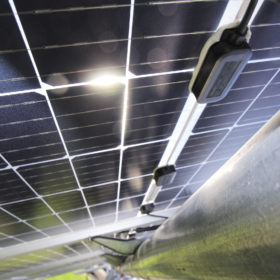
Behind PID in bifacial solar cells
New research from Germany outlines mechanisms behind a form of potential-induced degradation specifically affecting the rear side of bifacial solar cells. Results suggest that the issue may be more complex than previously thought; and avoiding irreversible damage to cells in the field will require a rethink of testing standards.
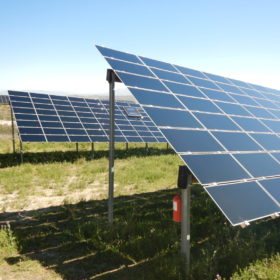
When does revamping pay off?
With projects in many PV markets aging past the 10-year mark – with major leaps in technology having occurred in that time – revamping is a popular topic among asset owners. pv magazine spoke with Asier Ukar, general manager of the Spanish subsidiary of German engineering company PI Berlin, to uncover the benefits of revamping PV projects with new components and also to examine the challenges and risks involved.
The weekend read: Bifacial adoption spurs rethink on PID
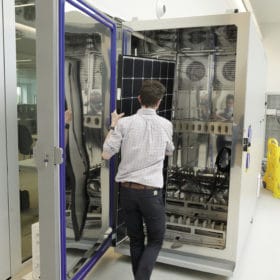
PV systems are unique among electronic devices, as they are expected to survive outdoors for at least 25 to 30 years. This makes module and system quality one of the cornerstones of guaranteed returns on investment. Potential-induced degradation (PID) is a critical failure mode with a potentially high financial impact. New research from imec and Hasselt University looks at the damaging impact that PID can have on bifacial technology, writes Michaël Daenen, a professor at EnergyVille and Hasselt University.
