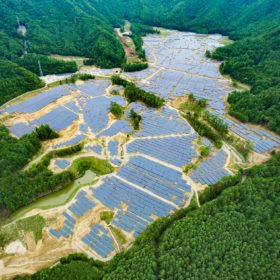
Japan unveils 2022 feed-in tariff levels for PV
The Japanese government is proposing 20-year FITs lower than $0.010/kWh for rooftop PV and a ceiling price of $0.087/kWh for solar energy auctions. These incentive levels will likely be insufficient to stimulate demand given rising solar project costs.
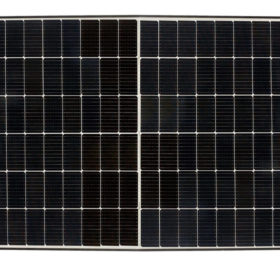
Tindo Solar launches 545W solar panel for utility-scale applications
Australia’s only solar panel manufacturer, has launched its first module designed specifically for utility-scale projects, the 545W Karra module. Australia-made, the module boasts a 23.1% cell efficiency with a low cell-to-module loss rate of 0.07%.
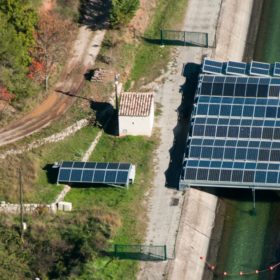
France’s Provence Canal to host 12MW of solar
One of France’s largest canal networks is set to host four PV systems totaling 12MW of generation capacity. The arrays are expected to occupy a total canal surface with a length of 5,420m and to generate a total of 19GWh per year.
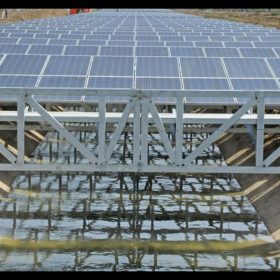
India’s NTPC explores canal-top, floating solar potential
NTPC has invited bids to carry out a feasibility study for canal-top, elevated module mounting structures and floating solar at its Tanda thermal power station in the Ambedkar Nagar district.
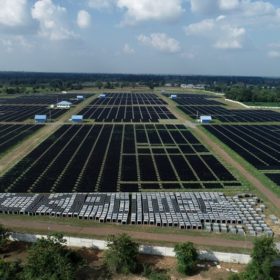
Thailand’s CK Power set to double in size through 2.8GW renewables investment
One of Southeast Asia’s biggest generators of renewable electricity, Thailand’s CK Power, is set to double in size over the next three years after announcing plans to add 2.8GW of new renewable electricity generation, including a ten-fold increase in its solar capacity.

Single-row PV array comes online along Italian bridge
A 300m long PV system with a capacity of 71.5 kW has been deployed along a bridge crossing the Pò river in San Mauro Torinese, in northern Italy. The project was tendered by the municipality in June.
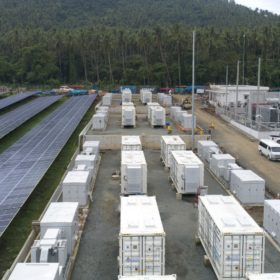
Philippines’ largest battery comes online at 120MW solar park
The 40MW/60MWh Alaminos Energy Storage system is now connected to the 120MW Alaminos solar park. Both facilities were built by renewable energy developer AC Energy.
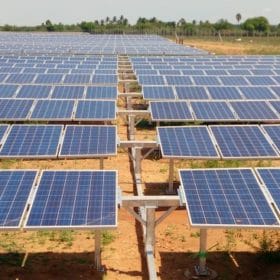
IFC to support 600MW solar park development site in Indian state of Uttar Pradesh
The solar project-ready site will be developed by state-run hydropower company THDC in a joint venture with the Uttar Pradesh New & Renewable Energy Development Agency. The International Finance Corporation will lend its expertise to attract private investment for the public-private partnership.
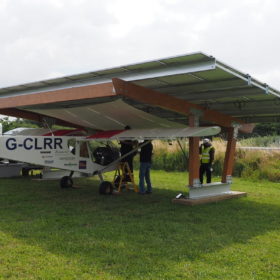
Europe’s first solar-powered electric aircraft charging point
The pilot project is aimed at powering small electric aircraft. It is located in the southeast of England and was developed with 33 modules from Q-Cells.
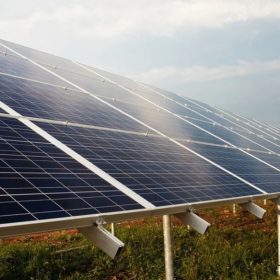
Slovenian oil provider builds PV plants totaling 22MW in Croatia
Petrol Group is investing €17 million in the construction of three solar parks in Knin, southern Croatia. The facilities will start producing electricity at the beginning of 2023.
