Australia’s first large-scale PV recycling operation amps up ‘waste’ collection
Reclaim PV is now one step closer to ensuring that solar generation lives up to the promise of providing clean energy throughout its life cycle, and that repurposing its component materials becomes viable.
Solar system prices to rise – then fall – in 2021, with another record year anticipated
IHS Markit is predicting the world will add 30% more solar capacity this year.
PV module recycling could harm US solar industry
The PV industry can’t claim to be a clean energy source if it leaves a trail of hazardous waste.
The weekend read: Circular innovations
Slowly but surely, environmental concerns are making their way into mainstream thought throughout the PV industry. A look at recycling offers an example of this, with stakeholders trying to get ahead of the high volumes of end-of-life modules already on the horizon. pv magazine examines the technologies that will be needed, alongside policy and economic support, to keep the bulk of these modules out of landfill and ultimately to establish a circular economy for PV materials.
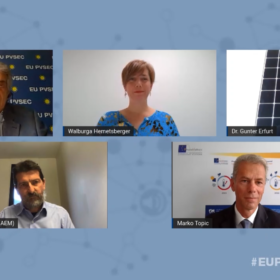
EU PVSEC 2020: Five takeaways
Spread across this week, the 37th EU PVSEC conference brought together companies and research institutes from Europe and further afield. This year’s presentations point to an industry standing at a crossroads. New challenges lie ahead, but there is plenty of optimism surrounding continuing growth and a more central role for PV in energy systems over the next decade. As the conference drew to a close on Friday, pv magazine offers five key takeaways.
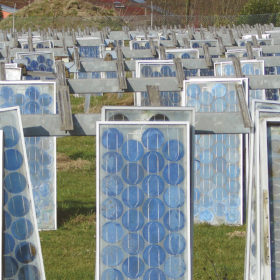
Recycling PV panels: Why can’t we hit 100%?
In February, non-profit EU solar panel recycling body PV Cycle announced it had collected 5,000 tons of modules in France, of which 94.7% could be recycled. A reader asked us about the remaining 5.3% and here, PV Cycle’s communications manager, Bertrand Lempkowicz, responds.
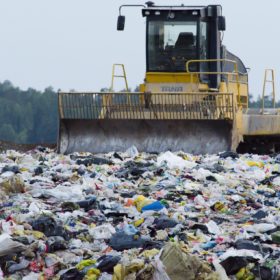
Understanding the fate of end-of-life modules
Scientists in India have taken a close look at the potential impact of growing volumes of PV waste, and have conducted surveys that suggest a lot more work is needed from manufacturers and policymakers to develop management systems for end-of-life PV products.
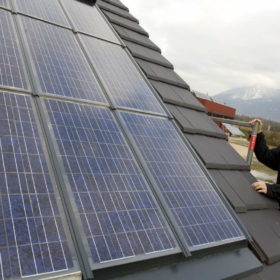
Interview: Applying circular solutions to solar waste manufacturing and end-of-life modules
EVA films are a key barrier to solar module recycling because of the glues involved in their use. An EU-funded research project is aiming to address the issue, among others, with a circular manufacturing approach. pv magazine spoke to two of the professionals involved in the EU-backed Cabriss project.

Five takeaways from EU PVSEC 2019
This week, pv magazine headed to Marseille for the 36th edition of the EU PVSEC conference and exhibition. During the week-long show, leading universities and research institutes presented their latest results to the industry and public. As the conference heads into its final afternoon, we’ve put together five key takeaways from this year’s event.
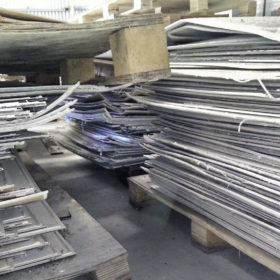
PV waste: 28 tons collected in Panama and Senegal
The PV Cycle Association collects and recycles PV waste. Having treated more than 30,000 tons since its creation, it estimates 150,000 tons of PV modules will reach the end of their lifecycle by 2030.
