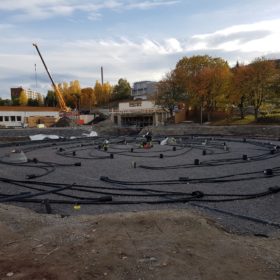
Borehole thermal energy storage for solar
The municipality of Drammen, Norway, has started testing a seasonal PV storage project that uses boreholes in the ground. The operators of the project are using electricity from PV modules to produce heat via a CO2 heat pump and outdoor air. The heat is produced by the CO2 pump during the spring, summer and fall, in addition to heat produced by solar thermal collectors.
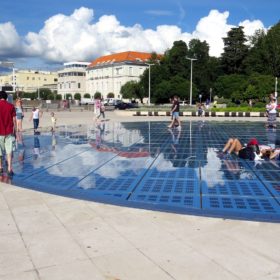
Croatia introduces provisions to tender 1 GW of solar
The authorities plan to assign 2.26 GW of renewable energy capacity overall under the scheme, which will include other energy sources such as hydropower, wind, biomass, biogas, and geothermal energy. The government will provide projects it selects with a feed-in price premium, which will be paid for the power generated by the projects, on top of spot market prices.
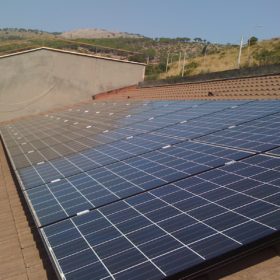
Italian homeowners can now install PV systems for free
The Italian government has raised the tax breaks it offers for building renovations and energy-requalification projects – potentially including storage-backed rooftop PV systems – to 110%. The new measure is part of the Relaunch Decree, which is a package of guidelines aimed at reviving the Italian economy in response to the Covid-19 crisis.

First defeat for Mexican government in its fight against renewables
Twenty-three renewable-energy operators have resumed testing of their installations, just a few weeks after the Mexican government halted grid connections for new solar and wind power projects, pending further notice. Mexicio’s National Energy Control Center (Cenace) has faced a series of “amparo” lawsuits since the government introduced the new measures against renewables.

EU to support tenders for 15 GW of renewables over next two years
The EurActiv portal has published a draft of the European Commission’s reconstruction plan, which includes a tender program for 15 GW of renewable energy projects over the next two years. The tender mechanism is expected to raise €25 billion of investments.
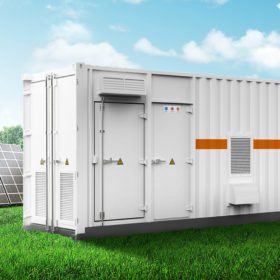
Chinese 202 MW/MWh solar-plus-storage project
Inverter maker Sungrow is supplying the inverters and storage system for China’s largest, 202.8 MW/MWh solar-plus-storage facility. The plant will be connected to a new, 800 kV ultra-high voltage power line.
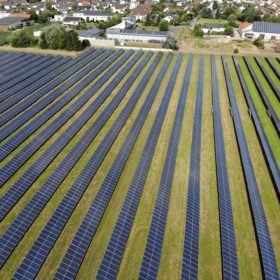
France added 176 MW of solar in first three months of the year
Quarterly new additions were 15% lower than in the October-to-December window. The France Territoire Solaire thinktank said the lower volumes could be explained by the initial impact of the coronavirus crisis.
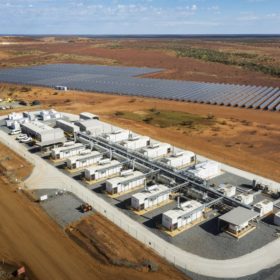
56 MW hybrid wind-solar plant powers up at Australian gold mine
The unique solar, wind, and battery project has been completed at Gold Fields’ Agnew Gold Mine, marking Australia’s largest hybrid microgrid of its kind.

Sunny regions could see one-cent solar within a decade
The solar learning curve usually applied to panel costs has been extrapolated to the larger, non-module element of the price of solar electricity generated by big projects, leading one commentator to predict new solar projects could be cheaper than legacy fossil fuel plants within 10-15 years in certain markets.

Myanmar launches 1 GW solar tender
The country’s Ministry of Electricity and Energy is seeking proposals for 30 large-scale solar plants. The selected developers will be awarded 20-year power purchase agreements.
