
Pakistani regulator expects solar capacity to hit 27 GW by 2047
Solar and wind are expected to account for a growing share of the electricity mix in the years ahead, rising from around 3% at present to 23% by 2030. Over the following two decades after that, however, this share will likely remain unchanged, as the national regulator expects the country to deploy more coal-fired generation capacity.
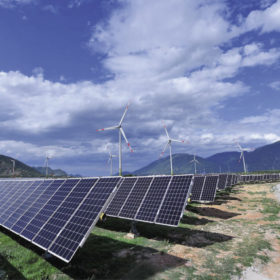
Australian grid could derive 75% of electricity from renewables by 2025
The Australian Energy Market Operator (AEMO) claims that the country already has the technical ability to safely operate a system in which three-quarters of the electricity comes from wind and solar. However, it needs to get the regulations right in order to do so.

Indian Railways tenders for 1 GW of solar
Developers have until June 30 to lodge bids to develop plots of solar capacity across the national rail network which offer a maximum INR2.71/kWh ($0.036) for the electricity generated under a 25-year contract.
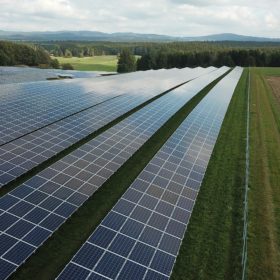
LCOE from large scale PV fell 4% to $50 per megawatt-hour in six months
Analysts at Bloomberg New Energy Finance say the lowest-cost projects financed in Australia, China, Chile and the UAE in the last six months hit a levelized cost of energy of just $23-29/MWh and the best solar and wind projects will produce electricity for less than $20/MWh by 2030.
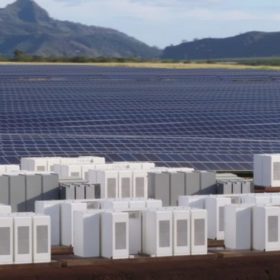
Despite solar woes, Tesla recorded its first profitable Q1
Tesla finished the first quarter of 2020 with a positive GAAP net income, driven by the profitability of the Model Y. However, the story was not so bright for solar, storage or corporate governance.
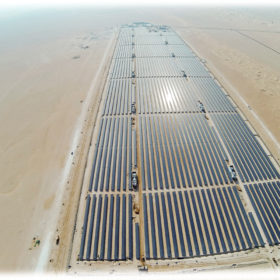
The 900 MW fifth phase of 5 GW solar park moves forward in Dubai
The $570 million fifth phase of the project will sell power at $0.016953/kWh under a 25-year power purchase agreement. It is scheduled to go online in the second quarter of 2021.
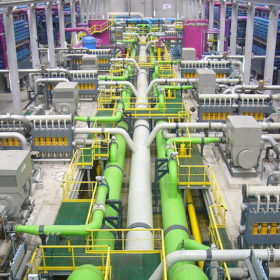
Solar can drive down levelized cost of desalinated water
A study from Finland’s Lappeenranta University of Technology states decarbonization of desalination could help achieve a levelized cost of water of €0.32-1.66 per cubic meter. Solar and storage are expected to play a decisive role.
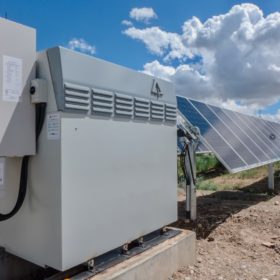
A redox flow battery for MW-sized solar-plus-storage
Matt Harper, chief commercial officer of newly-merged British-Canadian vanadium redox flow battery business Invinity Energy Systems has spoken to pv magazine about the VS3-022 Battery Unit it is marketing for grid scale solar-plus-storage projects and why it may be a better bet than lithium-ion.
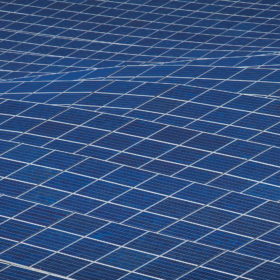
Big solar projects are back in the US
The number of 100 MW-plus solar projects is rapidly increasing in the U.S. And if there’s one solar segment that can weather a pandemic, it’s utility scale photovoltaics.

Brazil hits 5 GW milestone
In Brazil, like in many other parts of the world, industry associations claim that solar will be a strategic element in the recovery from the Covid-19 crisis, due to its potential to create jobs, generate income, and attract new investment.
