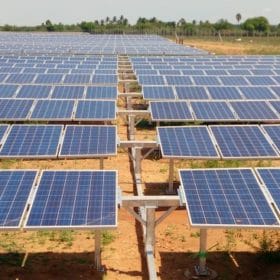
Taxes set to push up solar energy tariffs in India
The recent increase in the goods and services tax applied to solar cells and modules, from 5% to 12%, coupled with a planned 40% customs duty on panel imports, is set to increase project costs for developers.
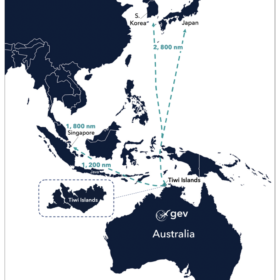
Australian hydrogen ship maker to develop 2.8 GW green facility
Compressed hydrogen ship maker Global Energy Ventures will develop a 2.8 GW green hydrogen export project on the Tiwi Islands, off the coast of the Northern Territory. It says the project will demonstrate the simplicity and efficiency of compressed hydrogen for Asia-Pacific supply chains, and will of course use a fleet of its own hydrogen-powered and hydrogen carrying 430-tonne ships.
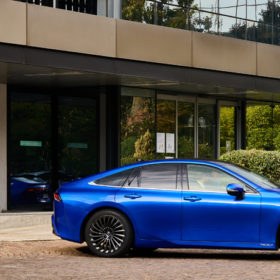
The Hydrogen Stream: Saudi Arabia bets on blue hydrogen, Denmark wants to improve green alkaline electrolysis
Elsewhere, Snam and Toyota are pushing for more hydrogen-based mobility in Italy, and Woodside Petroleum wants to establish an export-oriented hydrogen and ammonia production facility in Australia.
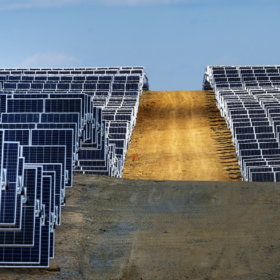
Colombia’s largest PV plant comes online
The 61 MW solar facility is owned by Colombian oil company Ecopetrol.
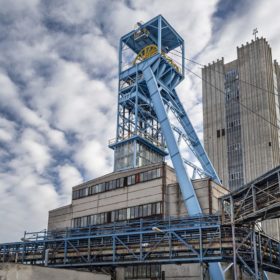
Converting coal mines into gravity-based renewable energy storage facilities
U.K.-based Gravitricity is planning to deploy its gravity-based energy storage solution at a decommissioned coal mine in Czechia. The project is part of a plan to commence a full-scale, 4-8 MW prototype scheme in disused mines next year.
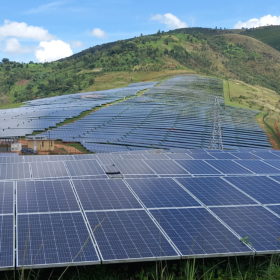
Burundi’s first solar park comes online
Under development since 2015, the 7.5 MW solar plant was built thanks to the efforts of multiple international entities including the U.S. International Development Finance Corporation (DFC) and the U.K. government-funded Renewable Energy Performance Platform (REPP).
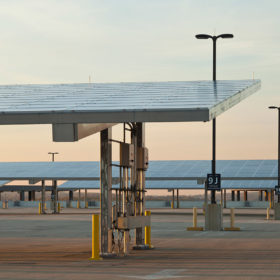
Highway-side solar could produce 36 TWh annually
A collaboration between universities, nonprofits, and a geospatial mapper led to development of a highway solar evaluation tool.

Lowest shortlisted bid in Saudi third PV tender was $0.0148/kWh
The shortlisted developers are Jinko Power, Total, ACWA Power, Alfanar, and a consortium formed by Masdar and EDF.

AIIB accused of backing Bangladeshi fossil fuels instead of renewables
Despite investing US$605 million in Bangladesh’s energy sector during the last five years, the Asian Infrastructure Investment Bank has reportedly not supported a single renewable energy project, according to experts and environmental activists.
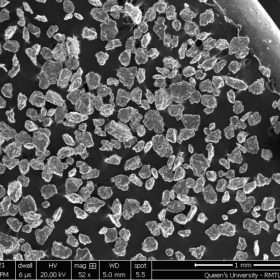
The Hydrogen Stream: New magnesium-based composite for hydrogen storage and a big push from South Korea
Researchers at Canadian Nuclear Laboratories (CNL) identified a new magnesium-based alloy that could be used for hydrogen storage. Furthermore, Hyundai Mobis announced a $1.1 billion (€0.95 billion) investment in two new fuel cell plants in South Korea, while South Korea’s SK Group formed a joint venture with US hydrogen solutions company Plug Power to develop green hydrogen across several Asian countries.
