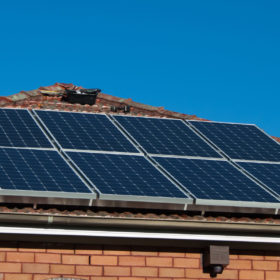
Slovakia offers $156.1 million for 2023 residential PV, heat pump rebates
The Slovakian authorities are offering €140 million ($156.1 million) in rebates for 2023 to cover up to 50% of the cost of buying and installing solar water heaters, heat pumps, biomass systems, solar-thermal collectors, and PV systems up to 10 kW in size.
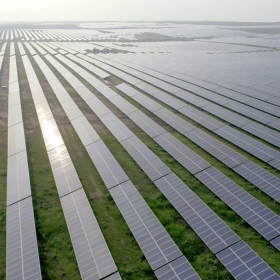
India’s PV capacity surpasses 68 GW
India will have to add more than 30 GW of solar capacity per year to meet the 293 GW PV target in its optimal energy mix for 2029-30. The nation had installed 68 GW of PV capacity by May 31, 2023.

US Customs solar exclusions might be ‘de facto ban on Chinese polysilicon’
Longi solar modules made of Tongwei polysilicon have been excluded from entry to the U.S.
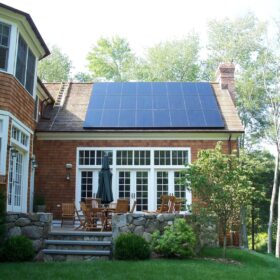
Residential PV curtailment rising in Netherlands
Dutch utility Liander said this week that the number of curtailment events for residential PV systems more than tripled in the first half of this year, and urged owners of rooftop arrays to expand electricity consumption during peak hours.
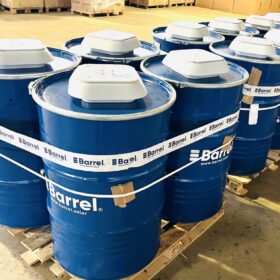
Italian startup offers solar kits packed in barrels
Italy’s Barrel claims that solar kits packed in barrels are ideal for remote areas and conflict zones. Its standard packages consist of 6 kW solar modules, 5.6 kW single-phase hybrid inverters, and 3.55 kWh lithium batteries.
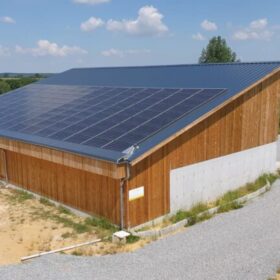
Thermal-photovoltaic tech for agricultural dryers
France-based Base Innovation has developed an agricultural dryer that is powered by hybrid thermal-photovoltaic (PVT) solar panels.
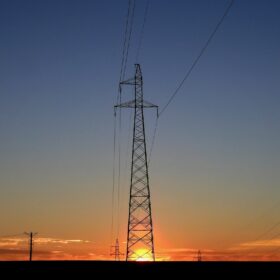
How smart electrification can unlock the potential of solar PV Integration
The International Renewable Energy Agency (IRENA) explains how many smart electrification solutions are already available and ready for commercialization, with pioneering companies creating, trialing and deploying potentially transformative innovations.
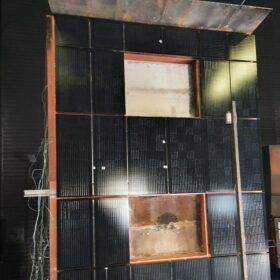
Addressing the intricacies of BIPV fire safety
The adoption of building-integrated photovoltaics (BIPV) has been hindered by the complexity of fire safety standards, creating challenges for manufacturers and suppliers. However, efforts such as the IEA PVPS Task 15 report and collaborative research have shed light on the importance of comprehensive guidelines, reliable testing laboratories, and international cooperation.
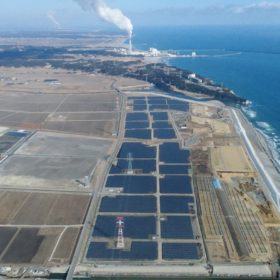
Japan’s 16th solar auction concludes with lowest bid of $0.065/kWh
Japan’s latest procurement exercise was open to PV projects above 250 kW in size. The lowest price came in at JPY 9 ($0.065)/kWh, with 119.7 MW of allocated capacity.
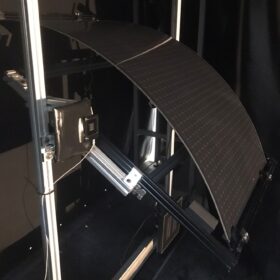
Collimated solar simulator for curved photovoltaic panels
Researchers in Spain assembled an experimental solar simulator for vehicle-integrated and curved solar panels. They found that the measurements of the short-circuit current of the cells followed the ideal cosine response of the curvature with differences lower than 0.5%.
