
Curaçao and Dutch Caribbean launch tenders for two more solar projects
While Curaçao’s power utility Aqualectra seeks developers for a 10-15 MW solar park, Saba Electric Company, the energy provider of the Saba island, is tendering 1 MW of PV capacity combined with storage.
The weekend read: Every last watt
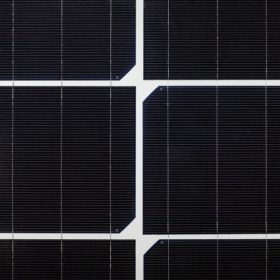
PERC power: As PERC settles into its position as a mainstream technology, leading module manufacturers are searching for ways to push ever more watts out of their module, and eliminate lingering degradation issues. So far this has included ramping up production capacities for half-cell modules and developing innovative new connection strategies. pv magazine looks into the latest technologies leading to gains in power output and quality at module level.
Italy: Solar prices on power exchange lower than reference price in 2016
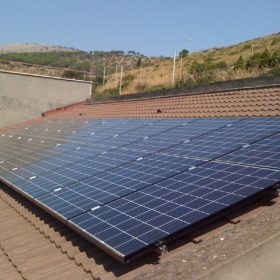
According to a report from Italy’s GSE, solar power prices on the Italian wholesale electricity market last year were between 5% and 12% lower than the national reference price.
EkoRE plans 15 MW solar plant in Ukraine
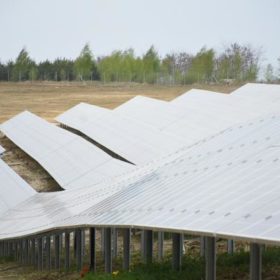
The Turkish EPC contractor is also planning to install rooftop PV systems on several public buildings of the city of Ochakiv, where the solar park may be located.

Tenaga wins contract to build 30 MW Malaysian solar farm
The large-scale PV project will be built in Malaysia’s Kedah state in the northwest of the country. Tenaga Nasional Berhad was awarded the development rights following a competitive bidding process overseen by the Energy Commission.

Manufacturing innovations on show at European Solar Technology Forum
This week, pv magazine attended the European Solar Technology Forum, where researchers unveiled new innovations from across the manufacturing spectrum, prompting plenty of discussion over how the future will look for solar in terms of the technology available and its applications. Bold claims of the potential for a further 20% cost reduction in manufacturing were made.

Request pushes back deadline for US solar tariff decision
The final deadline for President Trump to impose tariffs, quotas or other sanctions on solar imports will now be January 26, following a request by the U.S. Trade Representative for more information.
UAE: Rooftop specialist Environmena acquired by UK investment firm
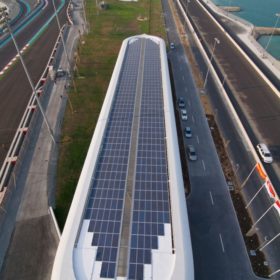
U.K. investment firm, Arjun Infrastructure Partners is expected to bring strategic support and access to capital to the UAE-based solar developer.
Solar PV 2018: Installs of 111 GW, a polysilicon factory boom and $0.30/W for modules
On the back of high solar PV installs, which will smash records this year at just under 100 GW, BNEF’s optimistic demand forecasts place growth at 111 GW in 2018, rising to 121 GW in 2019. It further sees a polysilicon factory boom, with production 10% up on 2017; and module prices dropping to as low as US$0.30/W for market leaders.

Argentina grants final approval for new distributed generation law
Under the new rules, which are expected to come into force in the first quarter of 2018, owners of residential and commercial PV systems will be allowed to sell excess power to the grid under a net metering mechanism.
