
The mobility rEVolution: PG&E obtains first V2G export rate for commercial EVs in US
PG&E has secured approval to set up a vehicle-to-grid (V2G) export compensation mechanism for commercial EV charging customers in California. Sono Motors is debuting its Sion solar electric vehicles in the US market, while Toyota and Jera are installing innovative second-life battery systems in Japan.
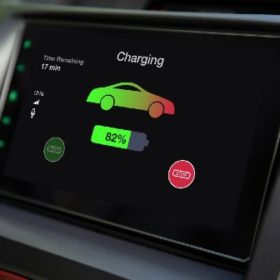
The mobility rEVolution: New tech cuts risk of electrocution from EVs
UK researchers have found a way to reduce the risk of electrocution with electric vehicles, while US utility Duke Energy said it is exploring how the Ford F-150 Lightning can serve as a grid resource. Chinese carmaker Geely posted disappointing first-half results, while IHS Markit said it expects strong uptake of battery electric vehicles in Europe through to 2030.

Fluid gas market situation casts shadow over EU energy system models
With each of the 10-year network development plans produced by Europe’s electricity transmission system operators years in the making, the latest such publication may already be out of date as the bloc prepares to fast forward its energy security and climate change ambitions.
UK considers reform of renewables subsidy regimes
A conference about the UK’s electricity market showed organizations are considering the future of the country’s energy sector and how to achieve a net zero economy.

The weekend read: V2G driving grid changes
The uptake of EVs in the years ahead will add up to staggering battery capacity, mostly sitting idle on driveways. The two-way flow of electricity from EV batteries, known as vehicle to grid, could not only enable power systems to rely on intermittent renewables, but could also be the trump card for network operators to respond to grid disturbances. However, there are still a few catches to be worked out, as Marija Maisch explains.
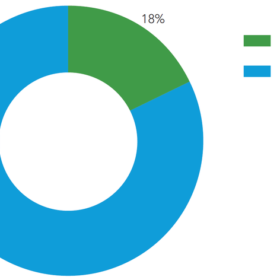
‘The chance to reset with a green recovery has now been lost’
Norwegian consultancy DNV today published the latest of its annual surveys of the state of the energy transition and lamented the fact so very little has been achieved during the last five years. We are forging ahead into a world that will be 2.3C hotter this century, predicts the report.

Maxeon secures EU cash to make its ‘stick-on’ solar panels in France
The TotalEnergies-controlled solar manufacturer will secure an, as yet undetermined chunk of a new €118.6 million low-carbon innovation fund to start producing its frameless, glass-free solar roofing products at Porcelette, in northeastern France.

‘SolarEV City’ concept can cut both costs and emissions
Scientists applied a model where rooftop PV and electric vehicle batteries are integrated into the energy system of nine Japanese cities. Their findings suggests that such a system could meet more than half of every city’s total energy demand by 2030, and as much as 95% in some cases. The model also reveals opportunities to cut both pollution and energy costs for urban populations in Japan.

How long will the lithium supply last?
Researchers have sounded the alarm. If no serious efforts are made on second-life battery use, recycling and vehicle-to-grid applications, decarbonization efforts may hit the buffers a lot sooner than expected.
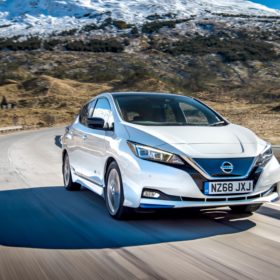
Vehicle-to-grid business model would make Canadian EVs cheaper than conventional rivals
Canadian non-profit Plug’n Drive has looked at Ontario’s time-of-use electricity rates and found electric vehicle owners could generate substantial income by charging at night and selling to businesses during the daytime. Doing so could mean EVs have a lower net cost than conventional vehicles.
