
Japan’s ENERES developing virtual power plant with 10,000 assets
The energy services firm will use software from California’s AutoGrid to develop a VPP which will draw on PV generation, energy storage and demand response technology. ENERES wants businesses to come on board and burnish their renewables credentials.

Statera announced as partner on 1 GW virtual power plant in the UK
Norwegian hydropower company Statkraft has revealed more details of its solar-storage-wind-gas network. Previously announced plans to potentially double capacity this summer were not mentioned in the update.
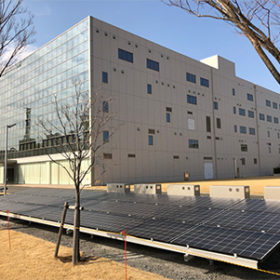
Kyocera, BYD to cooperate on e-bus charging demand aggregation
The Japanese government has issued a policy to reduce 80% of vehicle-related emissions, but high-power charging facilities for e-buses should also be aligned with distributed PV generation. Kyocera is now optimizing its virtual power plant technologies for this use case.

Video: Future PV Roundtable looks into subsidy free PV
At the Smarter E Europe, held in Munich this month, pv magazine hosted another Future PV Roundtable to discuss the possibilities of subsidy free solar projects. In all market segments solutions are at hand and representatives across the industry shared their insights with us.
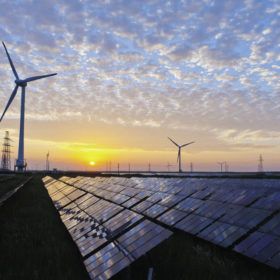
The weekend read: Tapping new markets
The energy transition does not only change electricity generation, but ideally also how we consume. Electricity markets in Europe, however, must deal with legacy regulations that fail to incentivize ideal consumption patterns to reduce curtailment and make the best possible use of the renewable energy assets we have. The result is towering bills for ancillary services, that could easily be avoided with a few regulatory tweaks and virtual power plants.
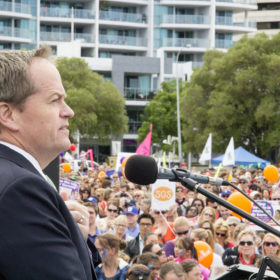
Labor plan to aggregate 4,000 schools into virtual power plants in $1 billion solar program
Australia’s federal Labor party has pledged to roll out PV generation and batteries at schools across the nation, and to create VPPs supporting up to 365 MW of capacity.
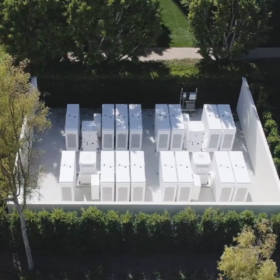
Energy storage races to investment-grade status
SUSI Partners has bought a 50% stake in Macquarie Capital’s 63 MW / 340 MWh distributed energy storage portfolio in Southern California. Included as part of this purchase is the world’s largest virtual power plant.

Ausgrid, Reposit Power launch VPP trial in Australia
Solar households that choose to participate in the trial in New South Wales will receive direct cash payments of up to AUD $135 ($95) per year, depending on the size of their battery systems.
Statkraft virtual plant integrates renewables, storage and gas in UK
The virtual facility is monitoring approximately 1 GW of combined wind, solar, storage and flexible gas engines in the U.K. and its capacity may double in the summer. The energy managed by the plant is being sold on the British energy market.

Shell and Total join fossil fuel companies bidding for a piece of Europe’s PV renaissance
With Europe set to return to solar power levels last seen during the PV boom seven years ago, a wave of mergers and acquisitions is taking place as the oil and gas majors splash the cash to buy the expertise needed to participate in PV’s new dawn.
