
Ukraine to hold first auctions for wind and solar next year
According to provisions approved in their first reading by the Ukrainian parliament, solar projects selected in future auctions will be awarded 20-year PPAs to encourage investors to steadily abandon the FIT scheme until it expires in 2030.
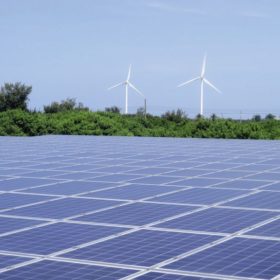
Taiwan’s URE inks 200-300 MW module supply MoU
United Renewable Energy was the result of a troublesome year for Taiwan’s solar manufacturing market. The company has signed a memorandum of understanding with Asia’s largest independent power producer – Vena Energy – for the supply of modules for projects in Taiwan’s strong development sector.

Spain unveils new provisions for self-consumption regulation
The Spanish government has proposed a Royal Decree with new self-consumption regulation which is expected to be approved in March or April. According to the new rules, power surpluses may be shared with other consumers or fed to the grid.
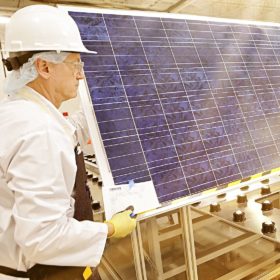
Bifacial 114 MW project in Brazil secures development bank financing
The plant, under development by Canadian Solar, has secured $80 million from Banco do Nordeste. The facility is scheduled to come online in mid-2020.

UK government offering little encouragement to the solar sector says the industry
A conference in London explored the next steps for renewables in the U.K. There was widespread agreement solar has been left in the cold by a government unwilling to alter the current market dynamics.
Chinese wafer makers raise prices
Growing evidence of a renewed confidence in the Chinese – and dependent global – solar market was again obvious as Zhonghuan Semiconductor and GCL put their prices up this week. The smart money is on Longi doing the same in short order.
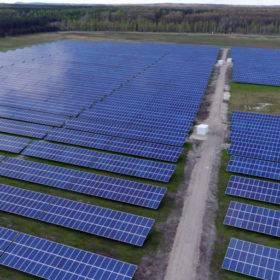
Germany installed almost 3 GW of solar in 2018
PV demand grew 68% year-on-year from the level seen in 2017 as Germany’s cumulative installed solar generation capacity reached 45.92 GW.

Bahrain launches 3 MW rooftop tender
The procurement covers 66 government buildings identified by the nation’s solar unit from a 120-building portfolio. Successful bidders will sign a PPA with the government, which is aiming at self-consumption with an element of net-metering.
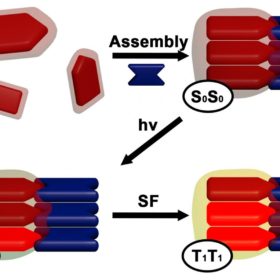
Singlet fission may raise theoretical efficiency of solar cells to 44%
According to a U.S. research team, new nanomaterials relying on dyes based on diketopyrrolopyrrole and rylene can generate a singlet fission reaction that extends the life of harvestable electronic charges.
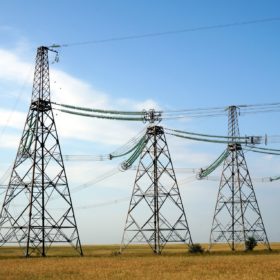
Risen Energy completes 40 MW solar project in Kazakhstan
Since 2012, Kazakhstan has shown increased interest in its energy transition and put in place supportive regulations. The country lies in the path of China’s ‘One Belt, One Road’ initiative, which unlocks large-scale infrastructure investments.
