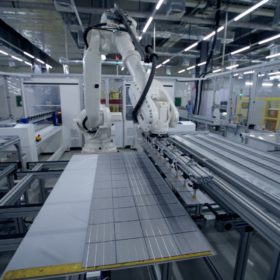
Four winning bidders in India’s gigawatt-scale solar manufacturing tender
Jindal India Solar Energy, Shirdi Sai Electricals, Reliance New Energy Solar, and Adani Infrastructure will each have half of their planned 4 GW annual production of polysilicon-to-module output subsidized by public funds.
Russia launches major solar plant in Siberia
A $40 million solar field which will double the generation capacity of the Omsk region is planned to start generating in December as part of the national government’s clean air ambitions.
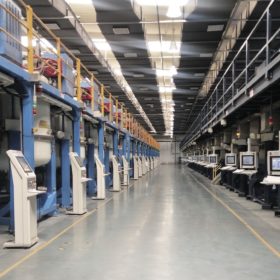
What’s next for polysilicon?
The past 12 months have proved profitable for polysilicon manufacturers, as selling prices have soared to levels not seen since 2011. However, with major new capacity expansions on the horizon from most of the leading manufacturers, and new players planning to enter the scene, the market balance looks set to shift. Exawatt’s Alex Barrows rounds up where the industry stands and what might happen next.
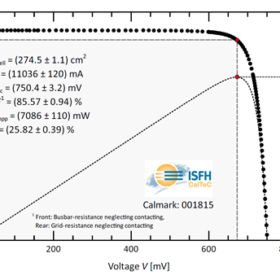
Longi achieves 25.82% efficiency for heterojunction solar cell
The result, confirmed by Germany’s Institute for Solar Energy Research Hamelin (ISFH), was achieved on a heterojunction solar cell based on an M6 wafer.
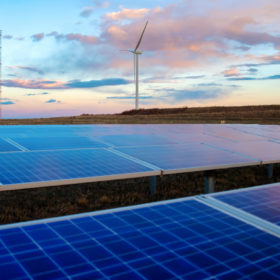
Solar panels blasted with sound to better understand microcracking
Researchers at NREL and EPRI focused heavy bass sounds on solar panels to simulate the effects of wind-caused deflection.

Plastic for solar panels?
Three companies are swapping out aluminum and glass in favor of plastic to save weight and add flexibility. We look at the pros and cons.
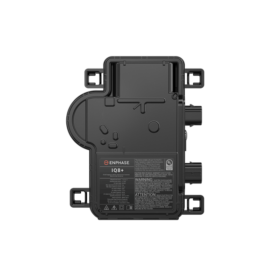
Microgrid-forming PV microinverter from Enphase
The 97%-efficient device is said to be the most powerful PV microinverter developed by the company to date and is capable of forming a microgrid during a power outage. The U.S. manufacturer expects to ship the first products in December.
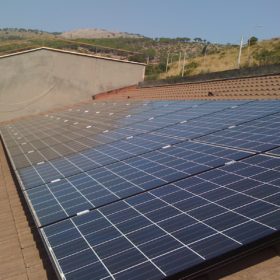
Italy reaches 252 MW/405 MWh of distributed energy storage capacity
The country added 60MW/106 MWh in the first half of the year. Energy storage continues to grow with the region of Lombardy and Veneto being the two largest contributors.
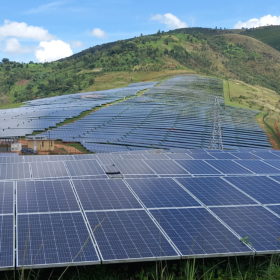
Burundi’s first solar park comes online
Under development since 2015, the 7.5 MW solar plant was built thanks to the efforts of multiple international entities including the U.S. International Development Finance Corporation (DFC) and the U.K. government-funded Renewable Energy Performance Platform (REPP).

Morocco + green hydrogen could be at heart of sustainable shipping revolution
With green hydrogen needed to produce the ‘e-ammonia’ required for carbon-free vessels, new clean power generation capacity and potential solar power hotspots near international shipping lanes will be crucial.
